
Online Training for Professionals on Boundaries and the Prevention of Transgressive Behavior among Young People with Special Educational Needs
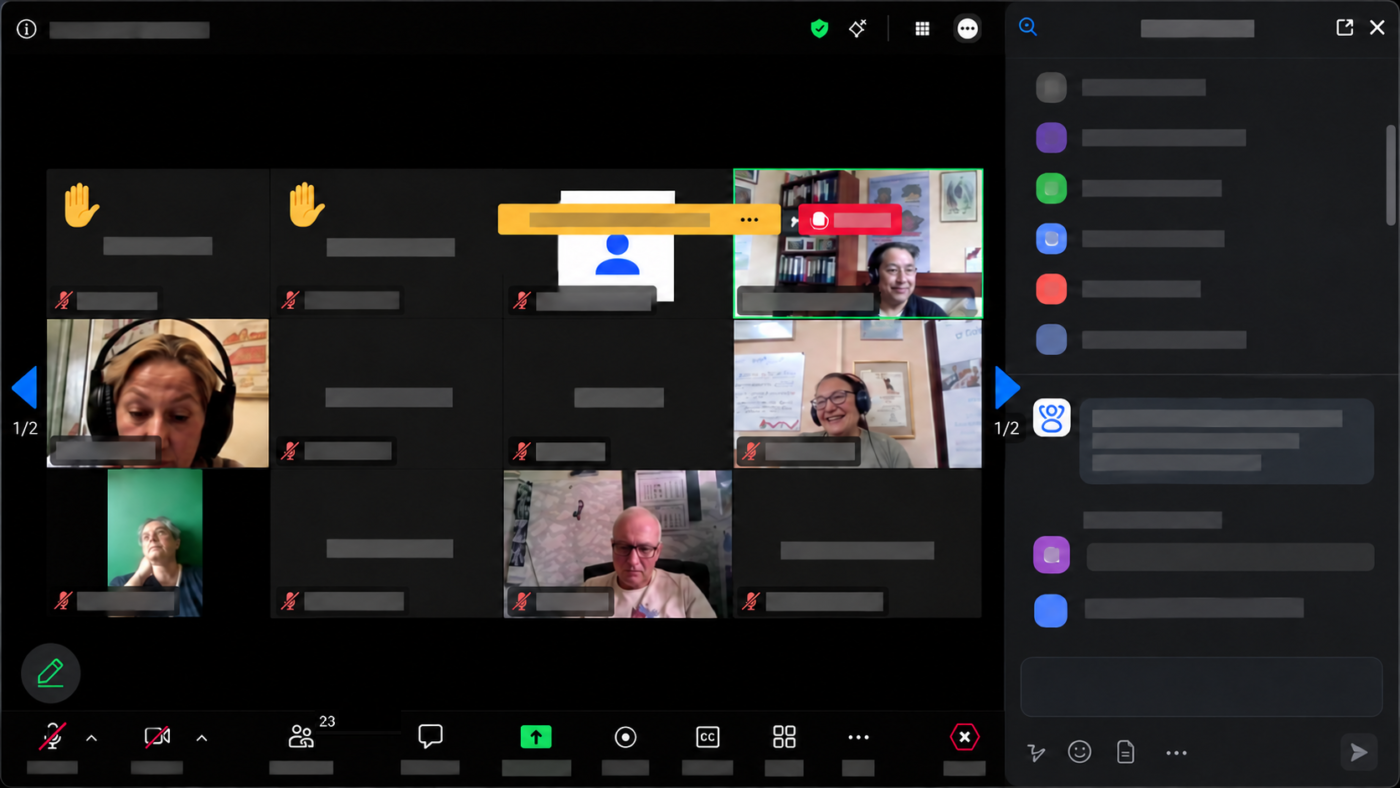
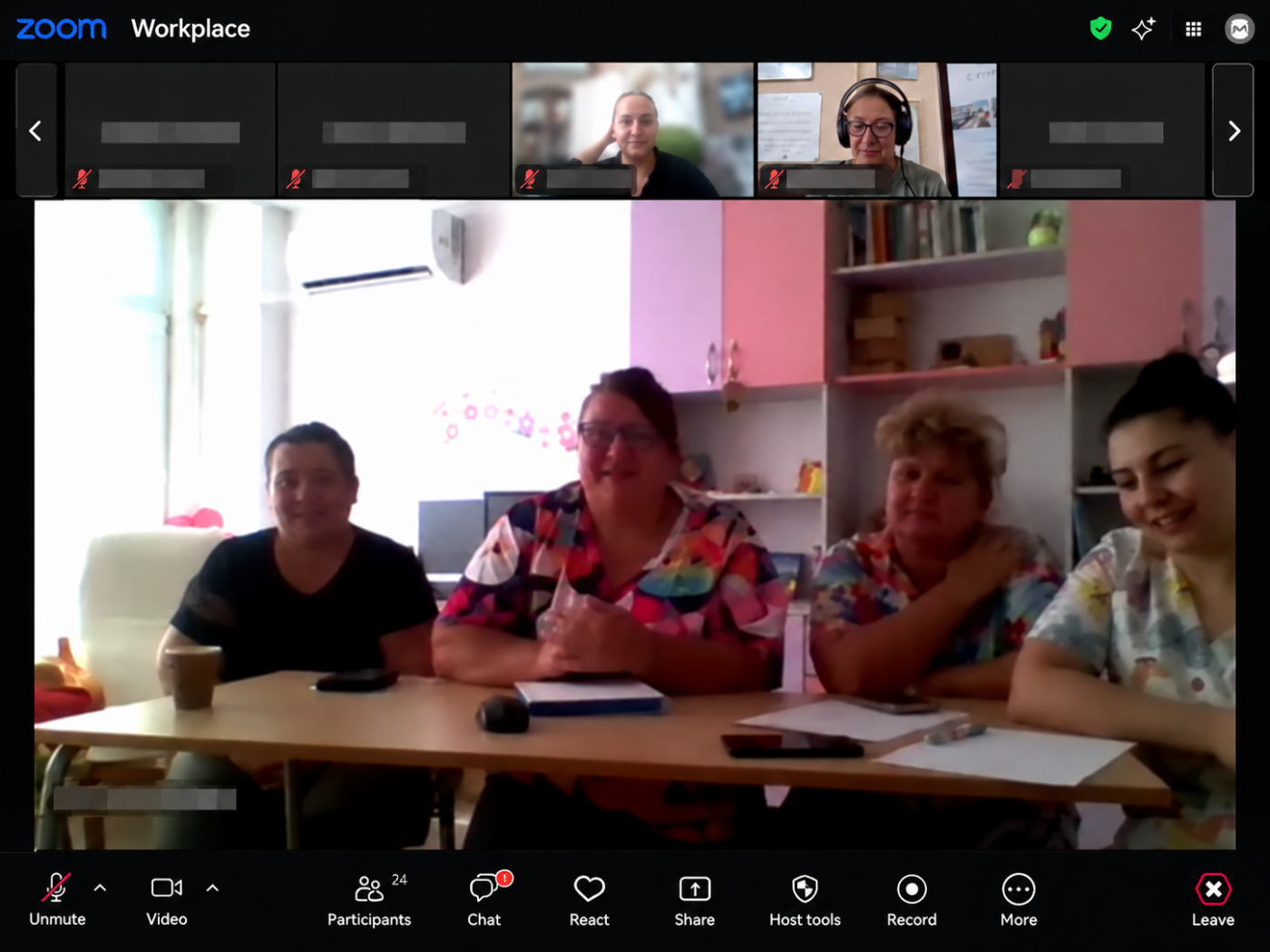
A team from the Bulgarian Family Planning and Sexual Health Association (BFPA) conducted an online training session entitled “Sexuality, Boundaries and Transgressive Behavior among Young People with Disabilities and Special Educational Needs.” The event brought together around 30 participants, including psychologists, resource teachers, social workers, medical professionals, representatives of organisations working with people with disabilities, parents and university lecturers. The training focused on recognising, understanding and preventing behavior that violates personal and sexual boundaries. Particular emphasis was placed on the importance of considering not only young people’s chronological age but also their individual emotional, cognitive and social development when assessing specific situations and choosing an appropriate response.
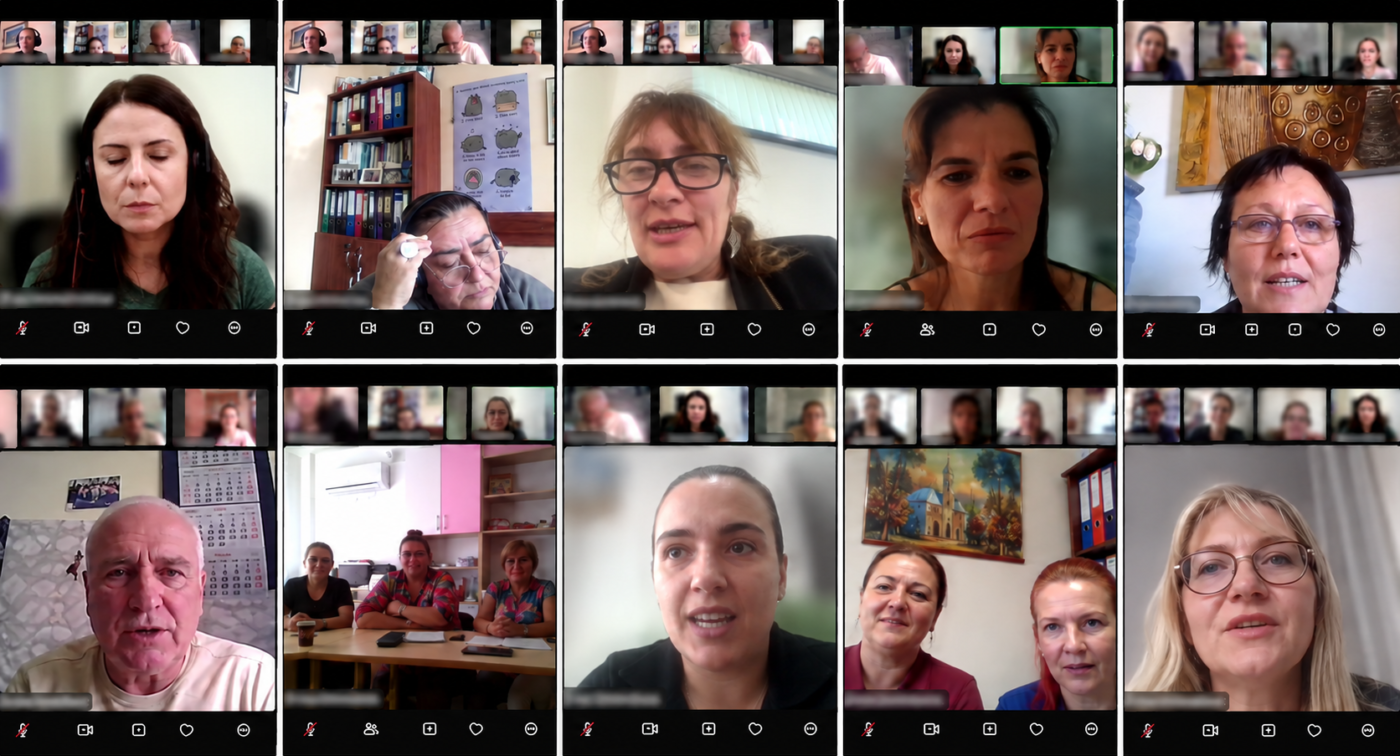
Participants were introduced to practical tools for assessing sexual behavior based on criteria such as consent, voluntariness, equality, developmental appropriateness, context and potential consequences. The training also explored approaches to behavioral analysis, identifying the underlying needs behind certain behaviors and planning supportive interventions.
The most engaging part of the training was the practical discussion of case studies, which gave participants an opportunity to discuss realistic situations from professional practice, exchange experiences and explore approaches tailored to the individual needs of the young people they work with.
One of the case studies addressed the sensitive issue of personal boundaries and safety in online communication. Through a scenario involving a young woman with intellectual disabilities, participants discussed how the need for closeness and acceptance may coexist with difficulties in recognising pressure, expressing disagreement and assessing potential risks when sharing personal images online.
This case also provided an opportunity for BFPA to introduce the activities of the consortium behind the Bulgarian Safer Internet Centre – SafeNet, focusing on preventing online risks, improving digital literacy and providing counselling and support to children, parents and professionals.
The training further strengthened the professional expertise of the participants and represented a follow-up to the international meeting held in Sofia in June 2026 and the training delivered to the BFPA team by Karen De Wilde, an expert in these areas from Sensoa, Flanders, Belgium.
The June meeting explored approaches to health education and the prevention of sexual abuse among adolescents with special educational needs, as well as opportunities to adapt and apply these approaches in different national contexts. Similar follow-up training sessions have also been organised by partner teams in Austria, Romania, Cyprus, Moldova and Belgium, whose representatives participated in the June meeting as part of an international exchange of knowledge and practical experience.
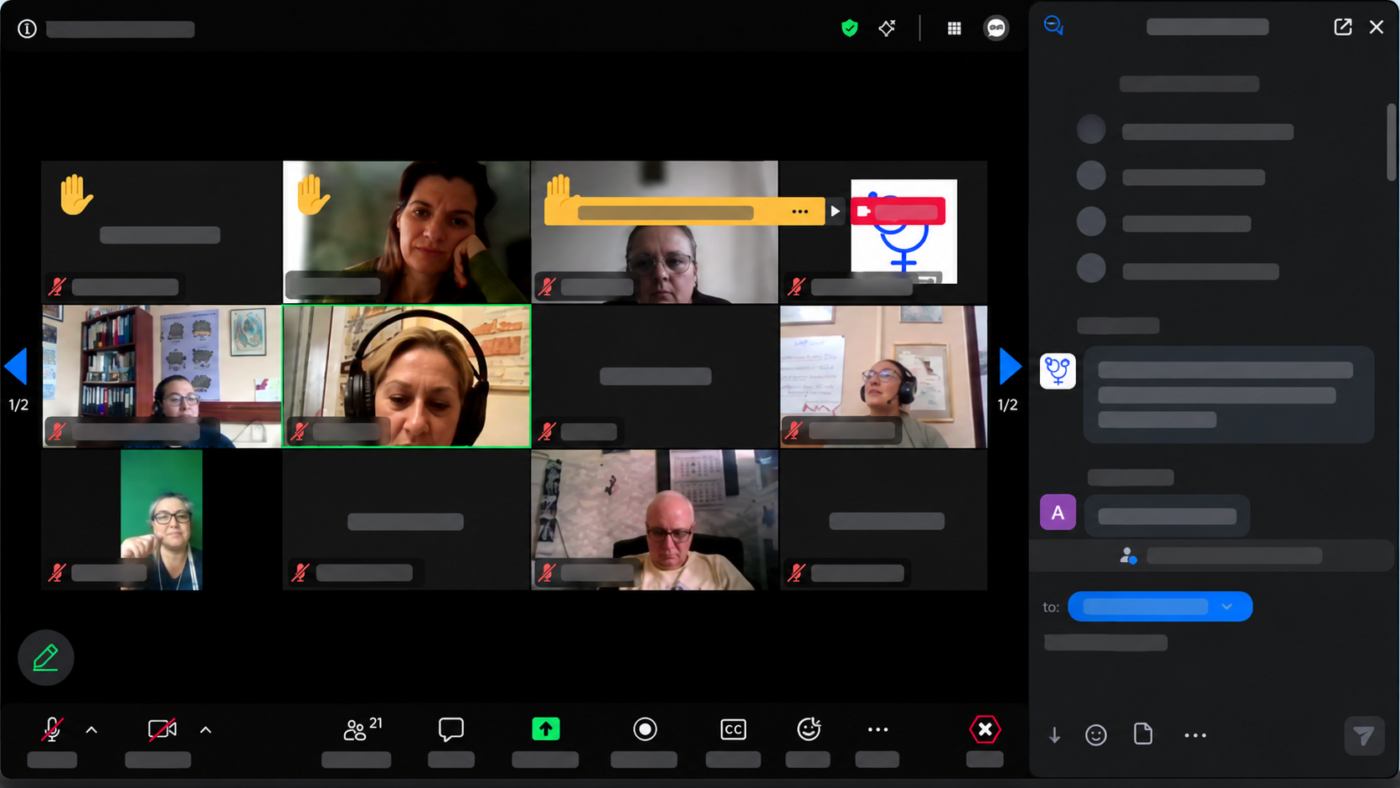
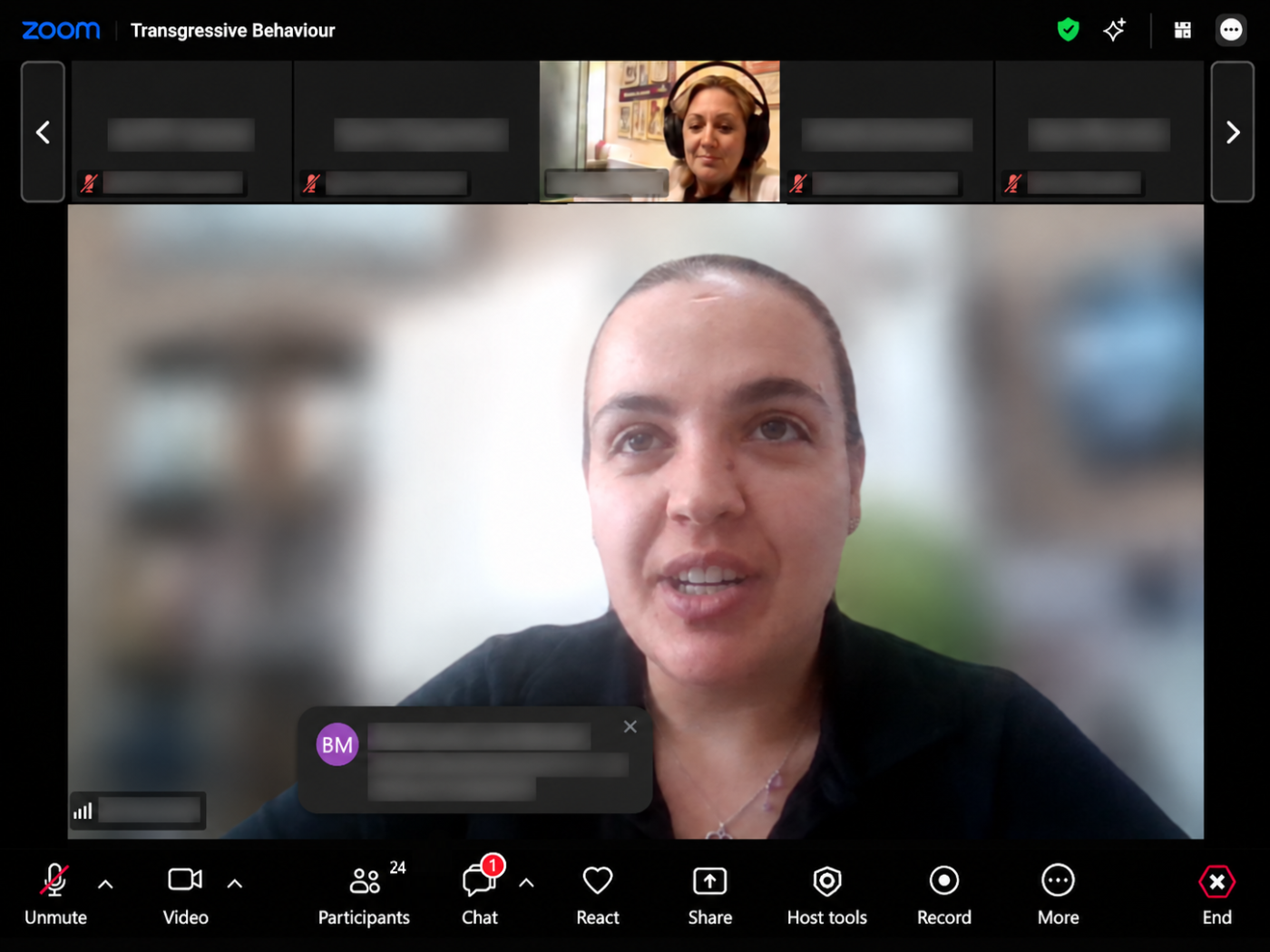
For BFPA, strengthening the professional skills of those who work daily with children and young people with disabilities is an important part of our prevention efforts, which are central to our organisation’s work. Sustainable change requires not only recognising potentially harmful behaviour but also understanding its underlying causes, respecting personal boundaries and creating a supportive environment in which young people can develop the skills needed for independence, communication and safe relationships.