
Pay it forward – the knowledge, not the virus!
Every year on December 1st, we celebrate World AIDS Day. This important day of information and awareness is also a time to reflect on our global response to the HIV pandemic, while honoring the lives lost to AIDS-related illnesses. This year’s theme is ‘Pass on the knowledge, not the virus.’ A valuable source of information is the campaign website, in which we at the Bulgarian AIDS Federation are actively involved.

The goal of the National ANTI-AIDS Campaign is to inform people in Bulgaria about how they can and cannot get infected with HIV; how to protect themselves; where they can get tested for HIV and learn that people living with HIV in our country receive free antiviral therapy and can live long and happily without transmitting the virus to their partners. Currently, there are 1,300,000 people living in the world infected in 2023. Nearly 40 million globally live with HIV, and during the year 630,000 died from AIDS-related diseases.
From the beginning of 2024 to November 15, 2024, 274 thousand people in our country persons have tested their HIV status, of which 248 are newly infected. Of these: 86.3% indicate that the infection was probably caused by sexual contact, and 12.1% – by injecting drug use, 1.6% – by vertical transmission; 3.8 times more men (188) have newly diagnosed HIV infection compared to infected women (56);
As of June 30, 2024, a total of 2,438 people with HIV are being monitored in HIV/AIDS treatment facilities, and 2,412 (98.9%) of them are receiving modern antiretroviral therapy. Bulgaria still remains a country with a relatively low prevalence of HIV among the general population – the incidence of newly registered cases of HIV infection per 100,000 people in our country in 2022 was 4.8, while the average indicator for EU countries in 2022 was 5.1. For 2023, the incidence of newly registered cases of HIV infection per 100,000 people in our country was 3.9. The Ministry of Health provides free modern testing and treatment with antiretroviral drugs to all people in need with HIV/AIDS, regardless of their health insurance status. There are 19 Offices for Free and Anonymous HIV Counseling and Testing (CABKIS) at the regional health inspectorates in the country. In these offices, pre-test and post-test consultations and examinations are performed by trained medical specialists.
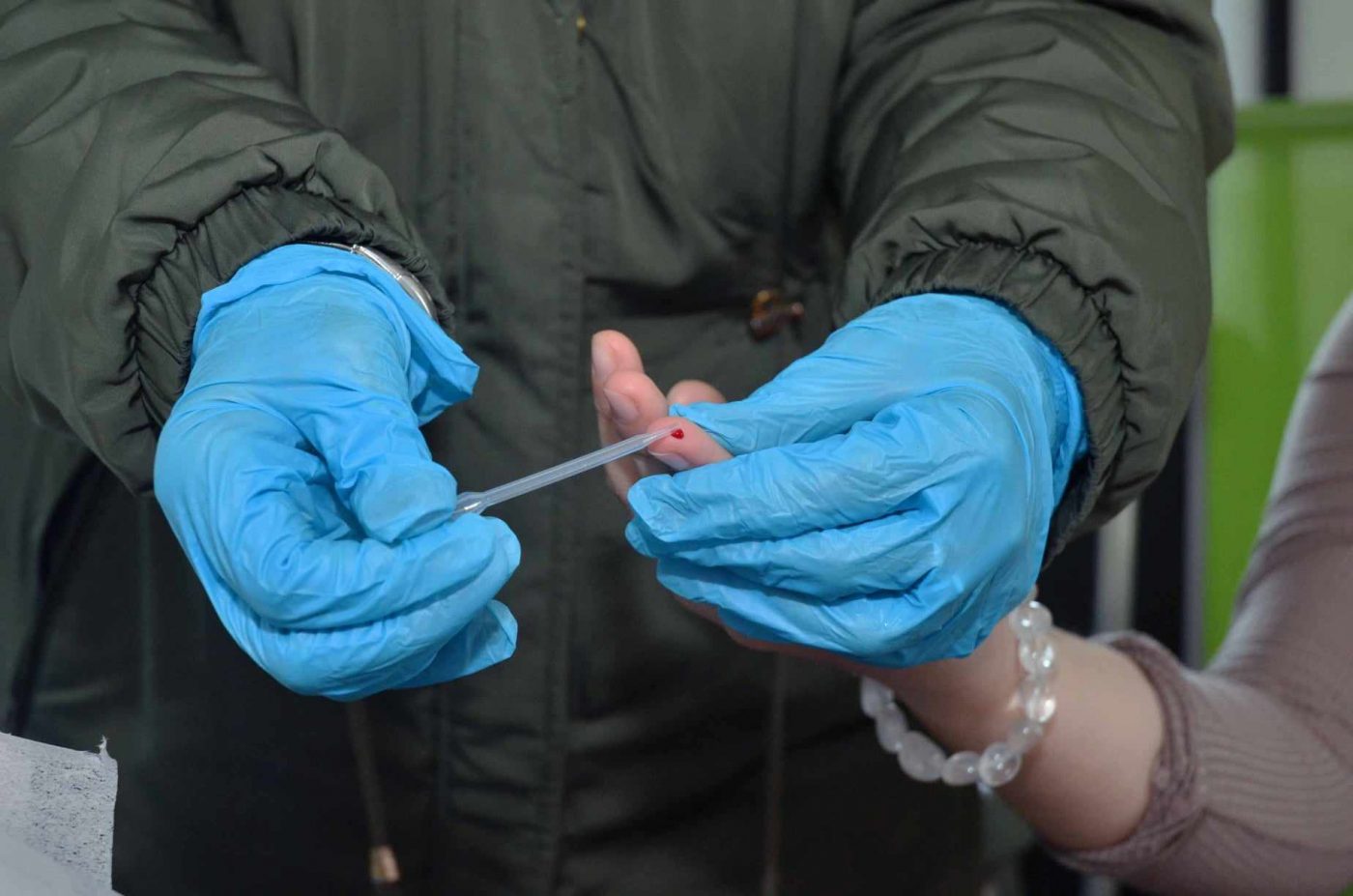
And to pass on the knowledge, here is some useful information:
How is HIV transmitted?
-through certain body fluids: blood, semen, vaginal secretions, breast milk. The mucous membranes of the vagina, penis, anus, eyes and nose are places where the virus can easily enter the body.
-through vaginal or anal sex with someone who is already living with the virus, without using protection (such as condoms or medicines to treat or prevent HIV infection);
-when using shared needles and syringes with someone who has the virus;
-from a mother to a baby during pregnancy, childbirth or breastfeeding, when the mother is living with HIV.
How is HIV NOT transmitted?
-through saliva, tears, sweat – when kissing or sharing common eating utensils;
– during everyday contact such as hugging or shaking hands;
– when using a toilet or shared towels;
– when using a shared bathtub or swimming pool;
– when bitten by a mosquito that has previously bitten a person with HIV.
However, DO NOT use shared razors!