
BFPA Presented the “Digital Children II” Project at the Annual Meeting of the National Network for Children

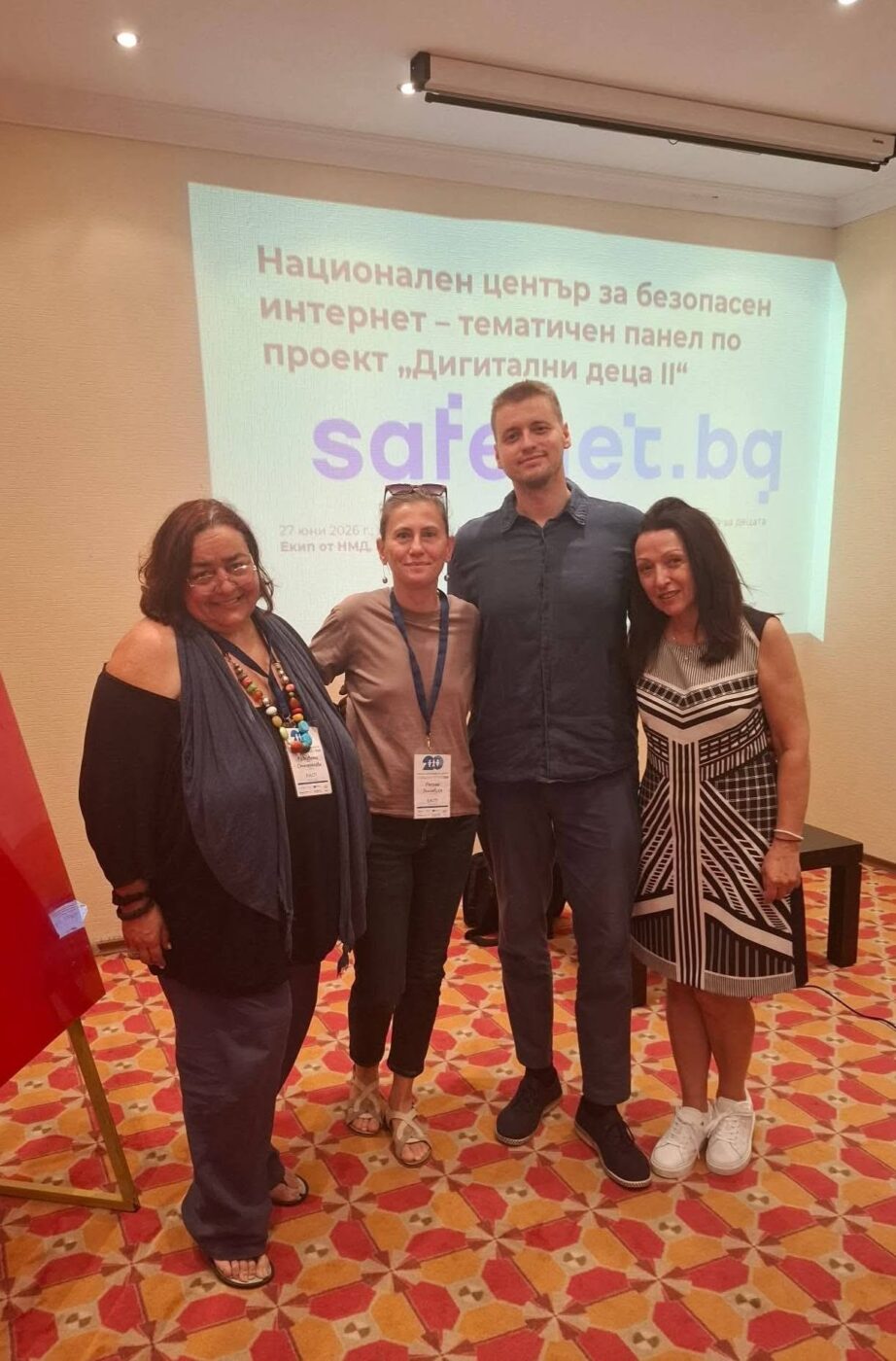
During the Annual Meeting of the National Network for Children, BFPA, together with colleagues from the National Network for Children and the Parents Association, presented the work of the consortium implementing activities to raise awareness of the National Safer Internet Centre (SAFENET).
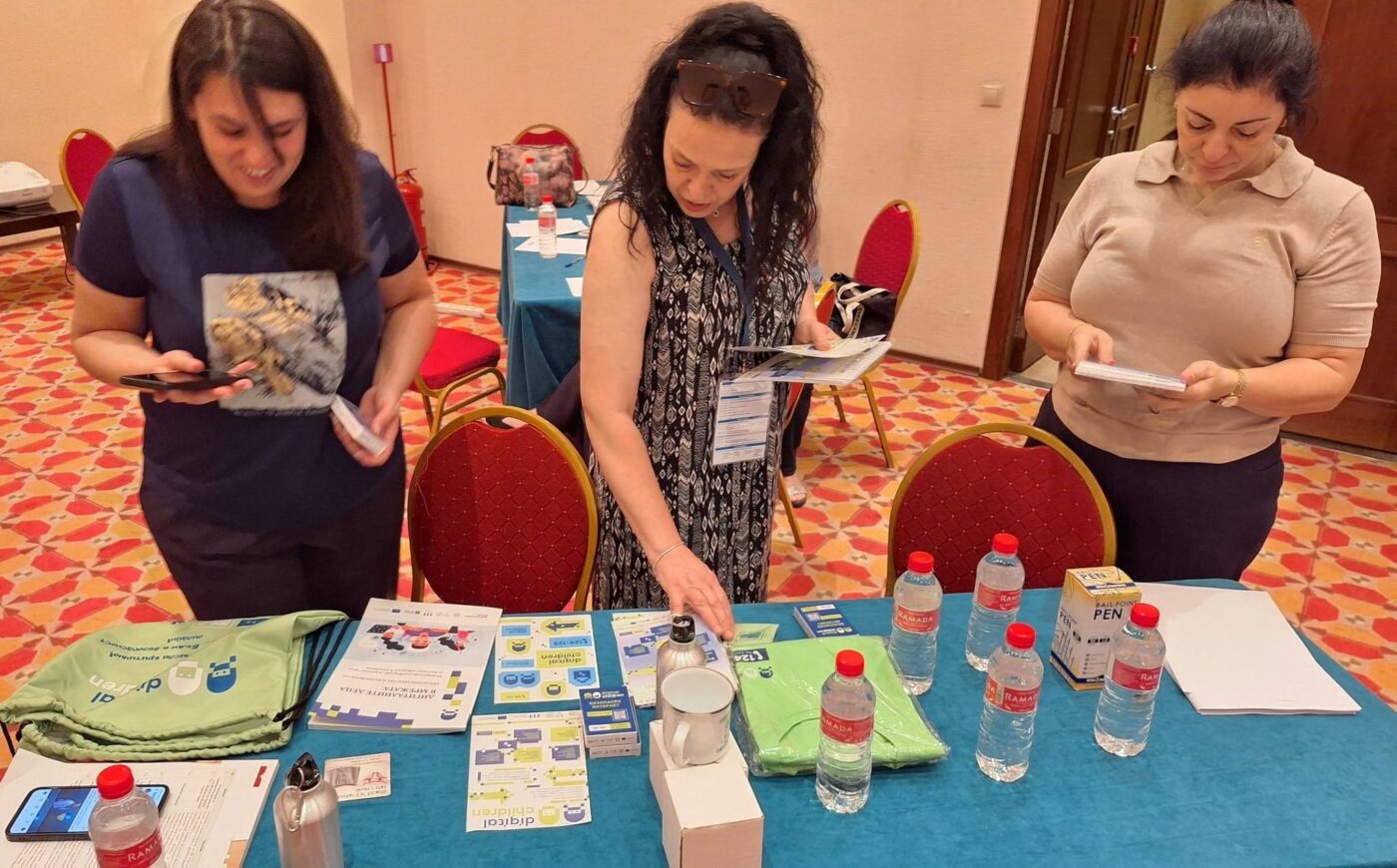
During a thematic panel dedicated to the digital world, held on 27 June 2026, representatives of organisations from across the country showed strong interest in the activities we presented and recognised the efforts to promote the Centre as extremely timely, useful and necessary. Participants expressed their readiness to actively contribute to expanding the initiative through their own ideas, expertise and local partnerships.
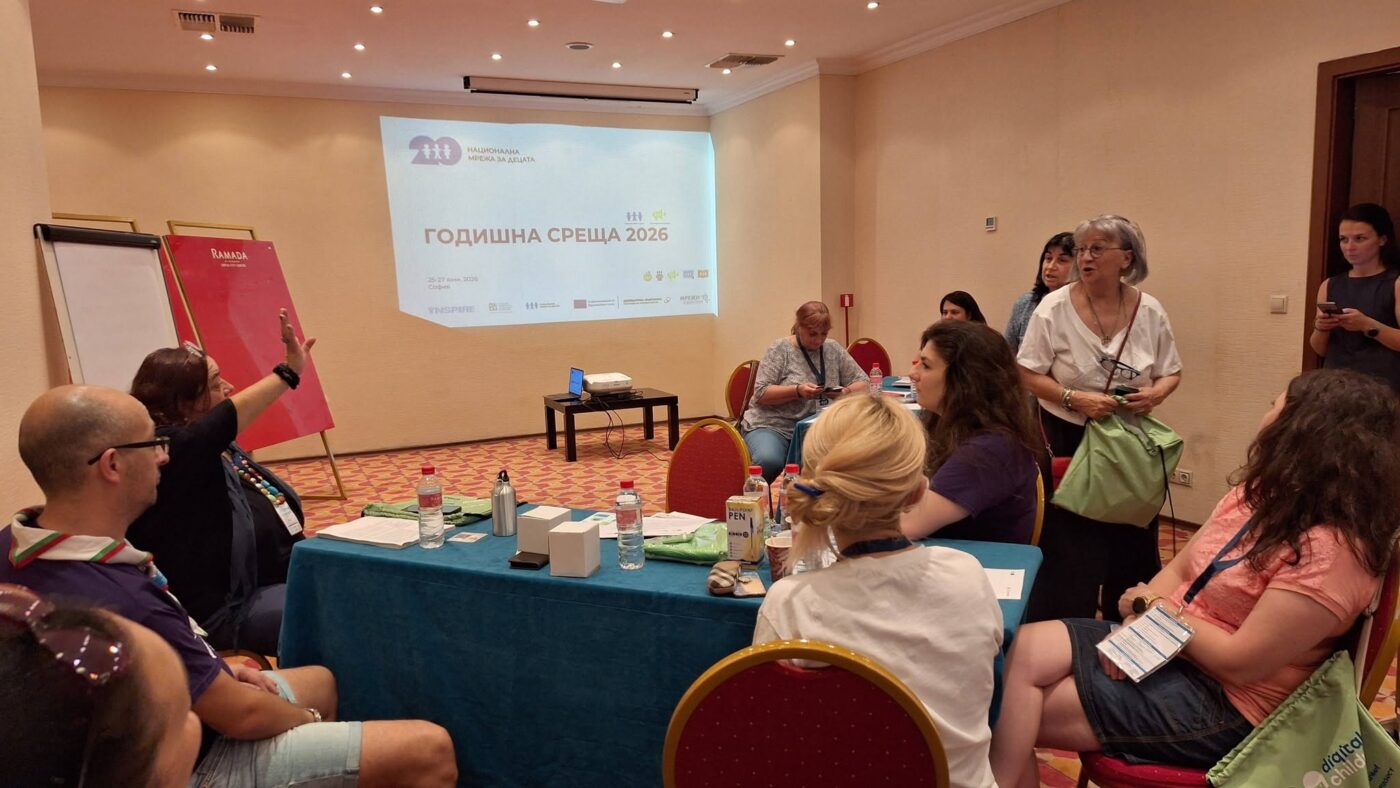
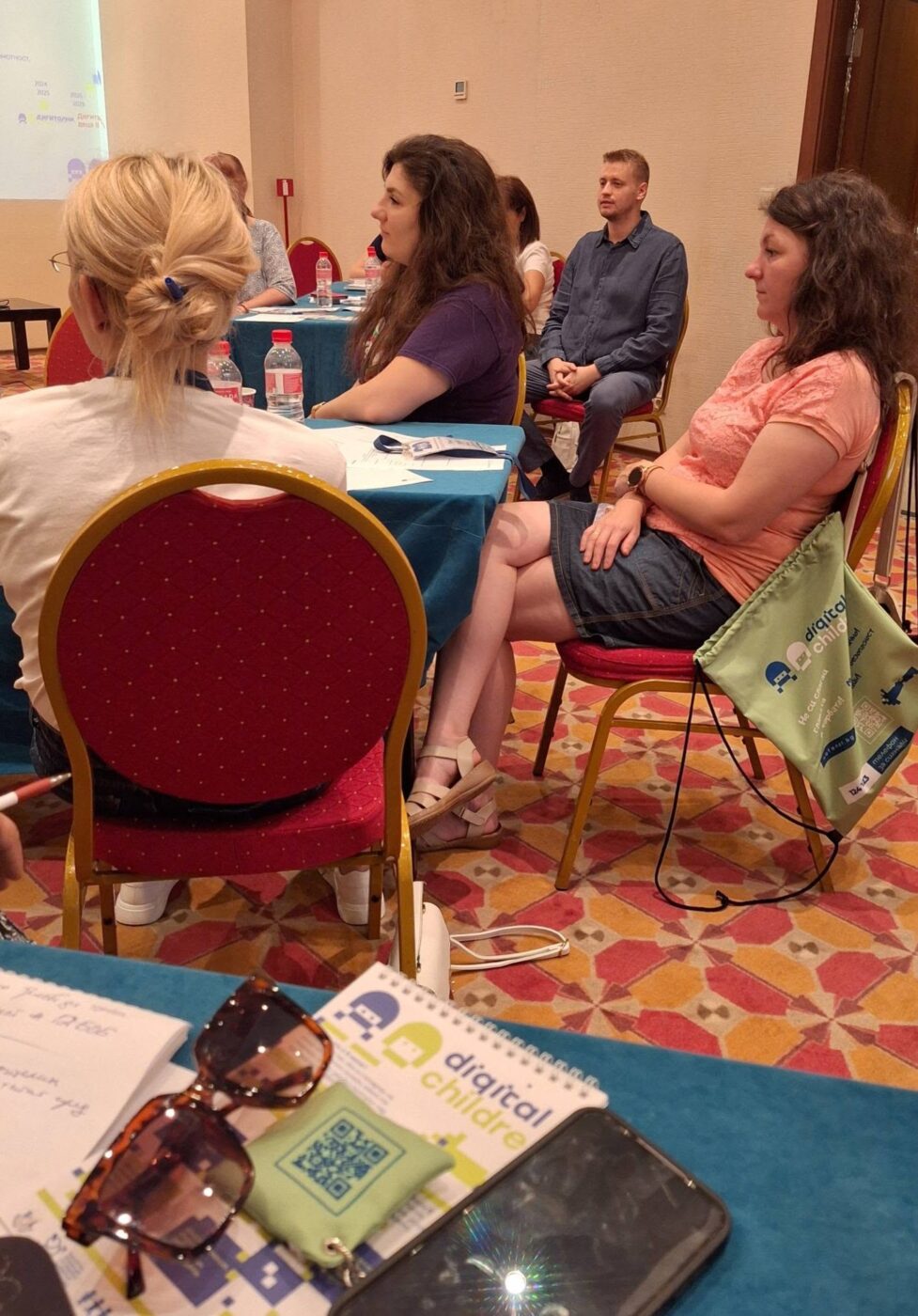
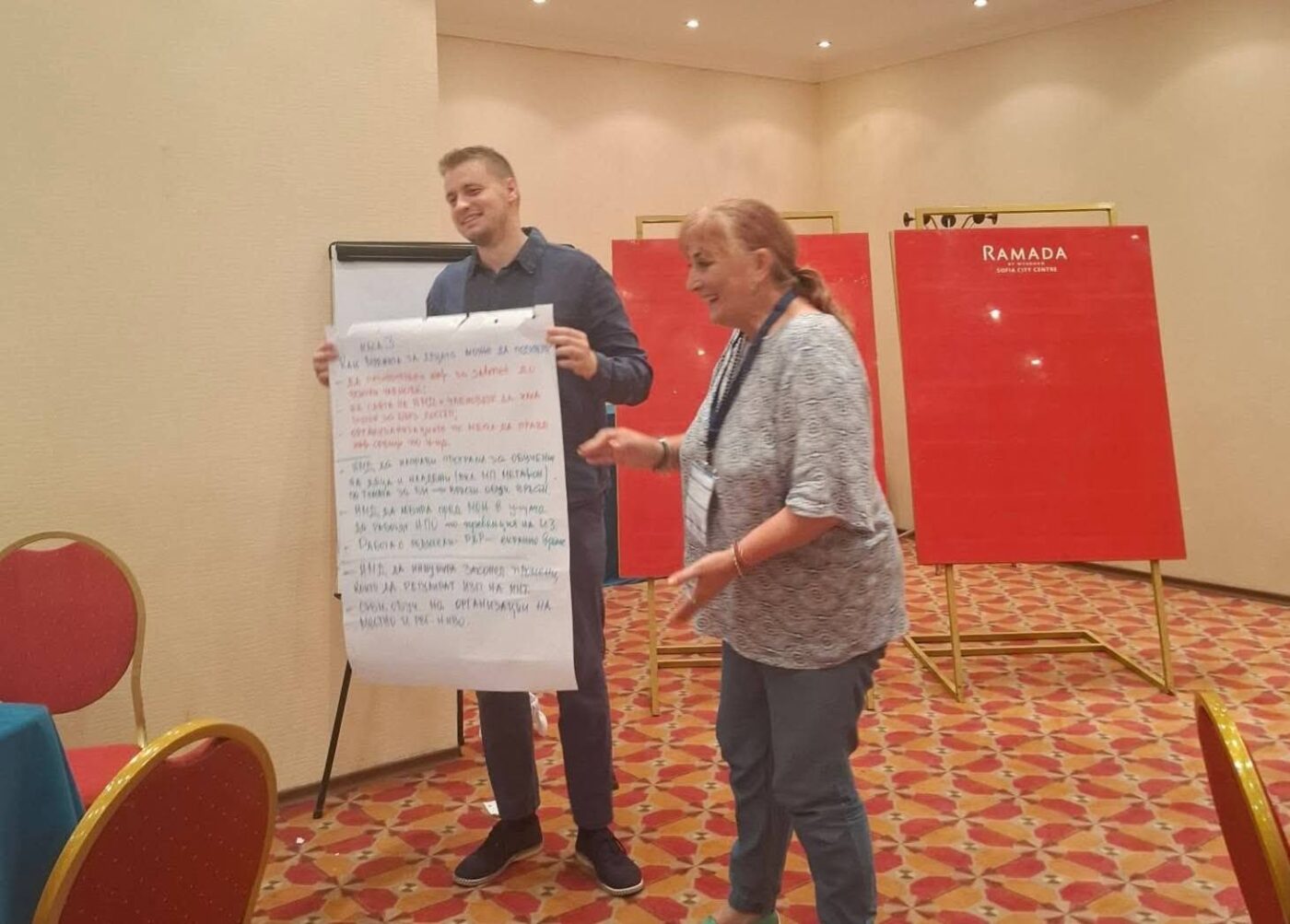
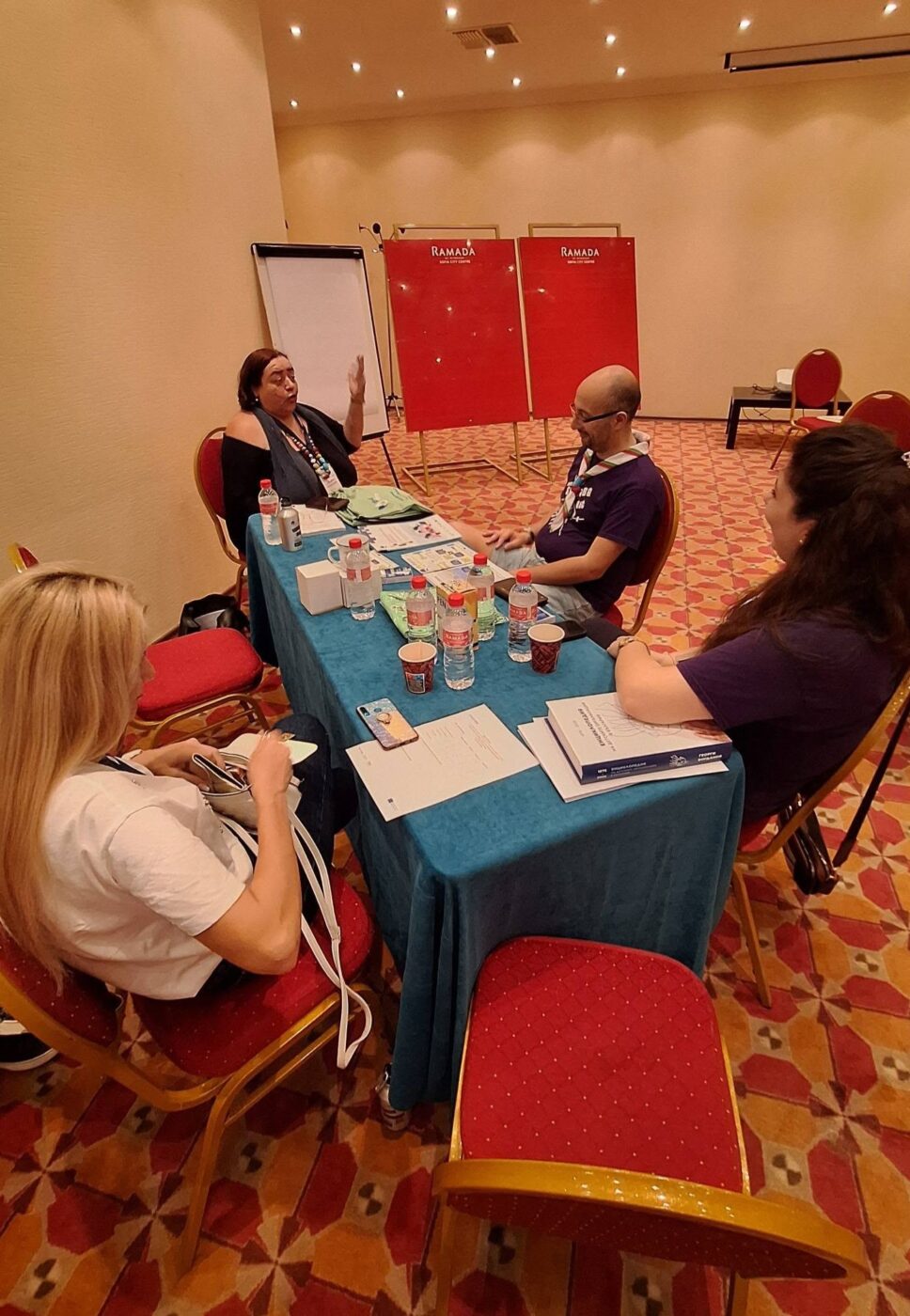
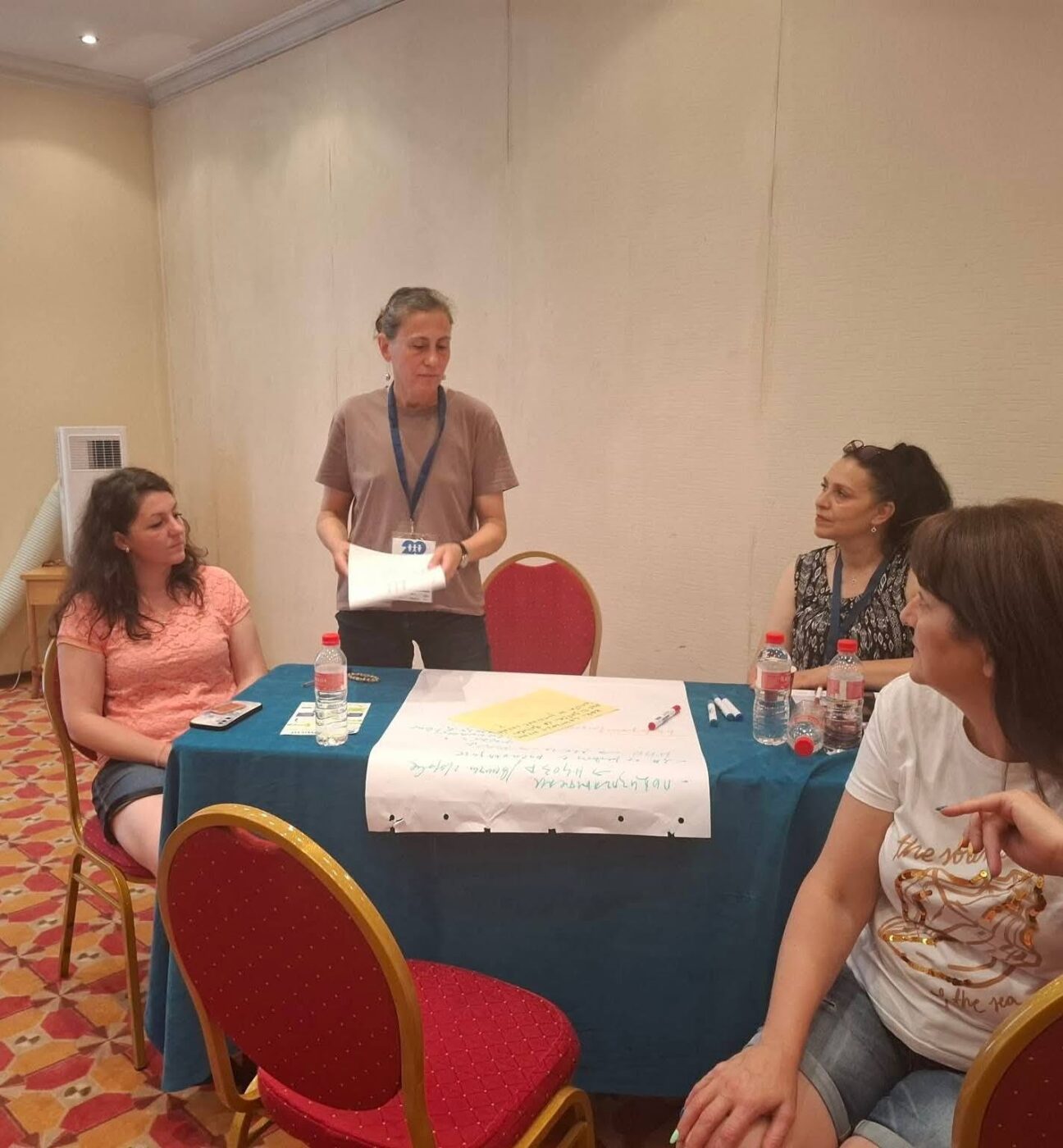
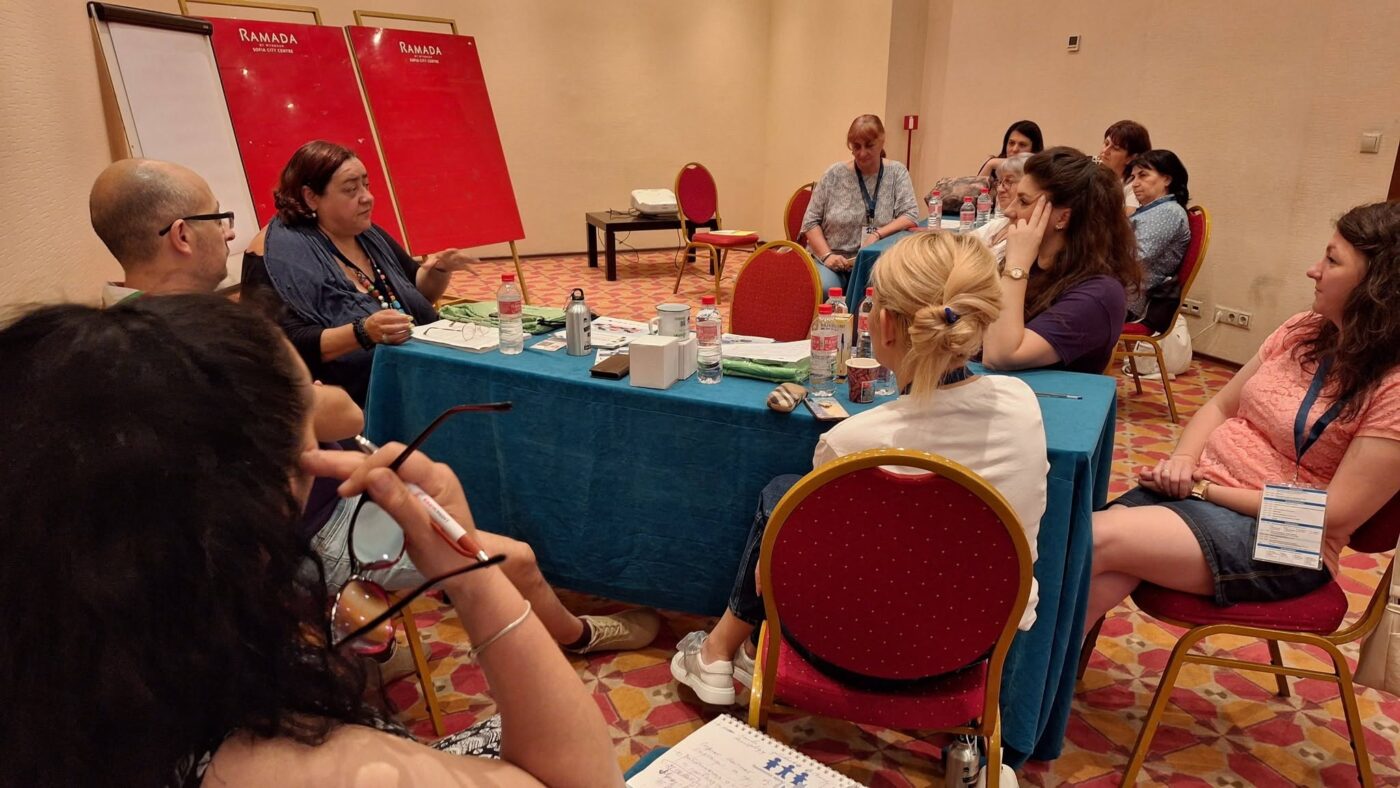
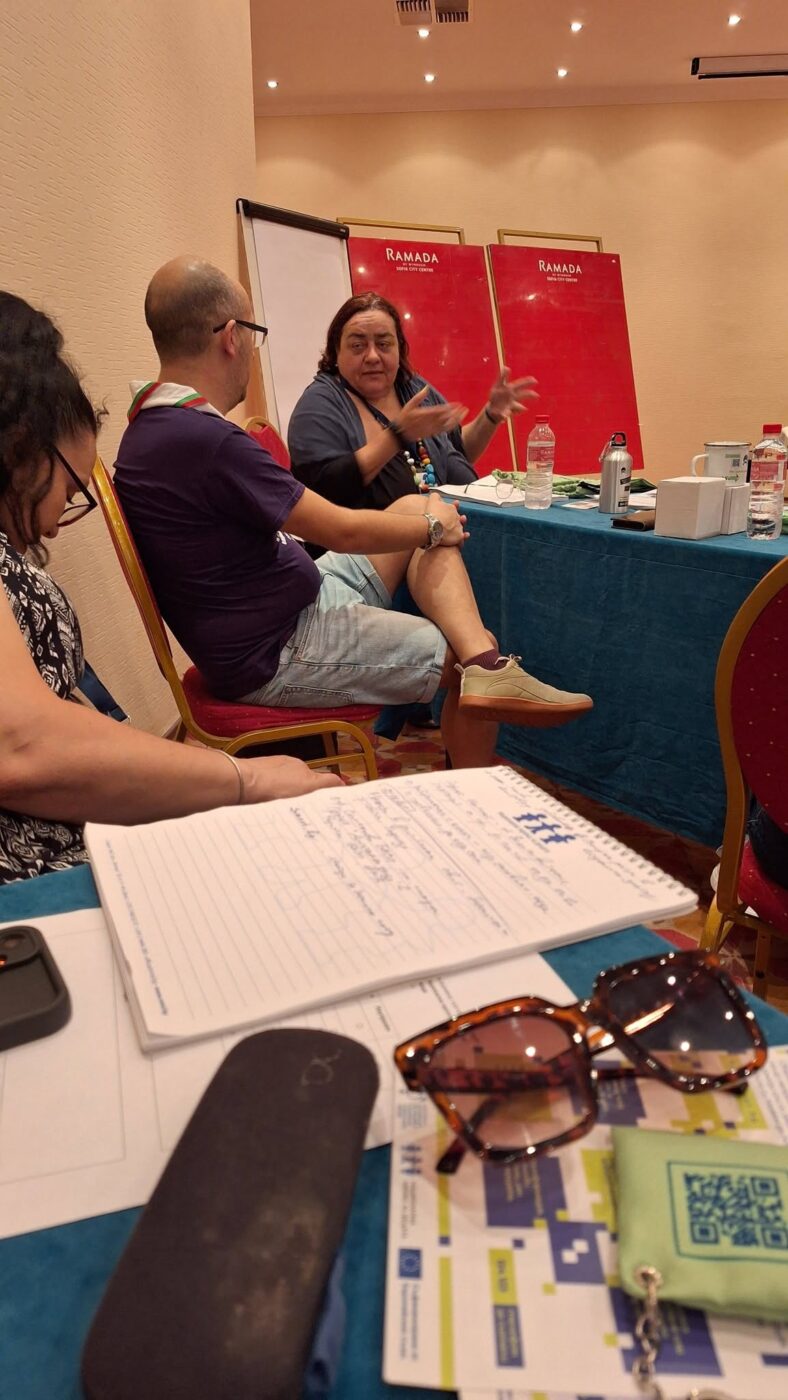
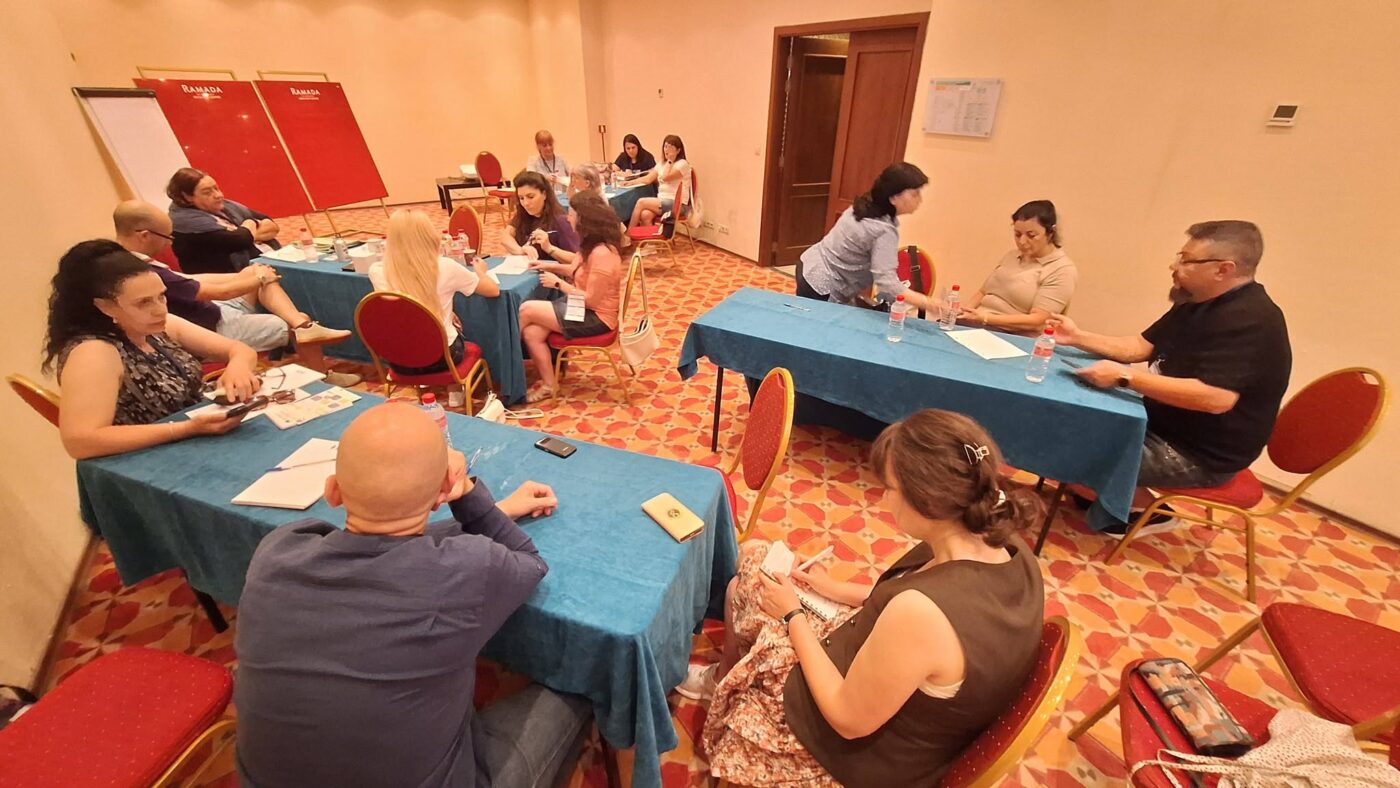
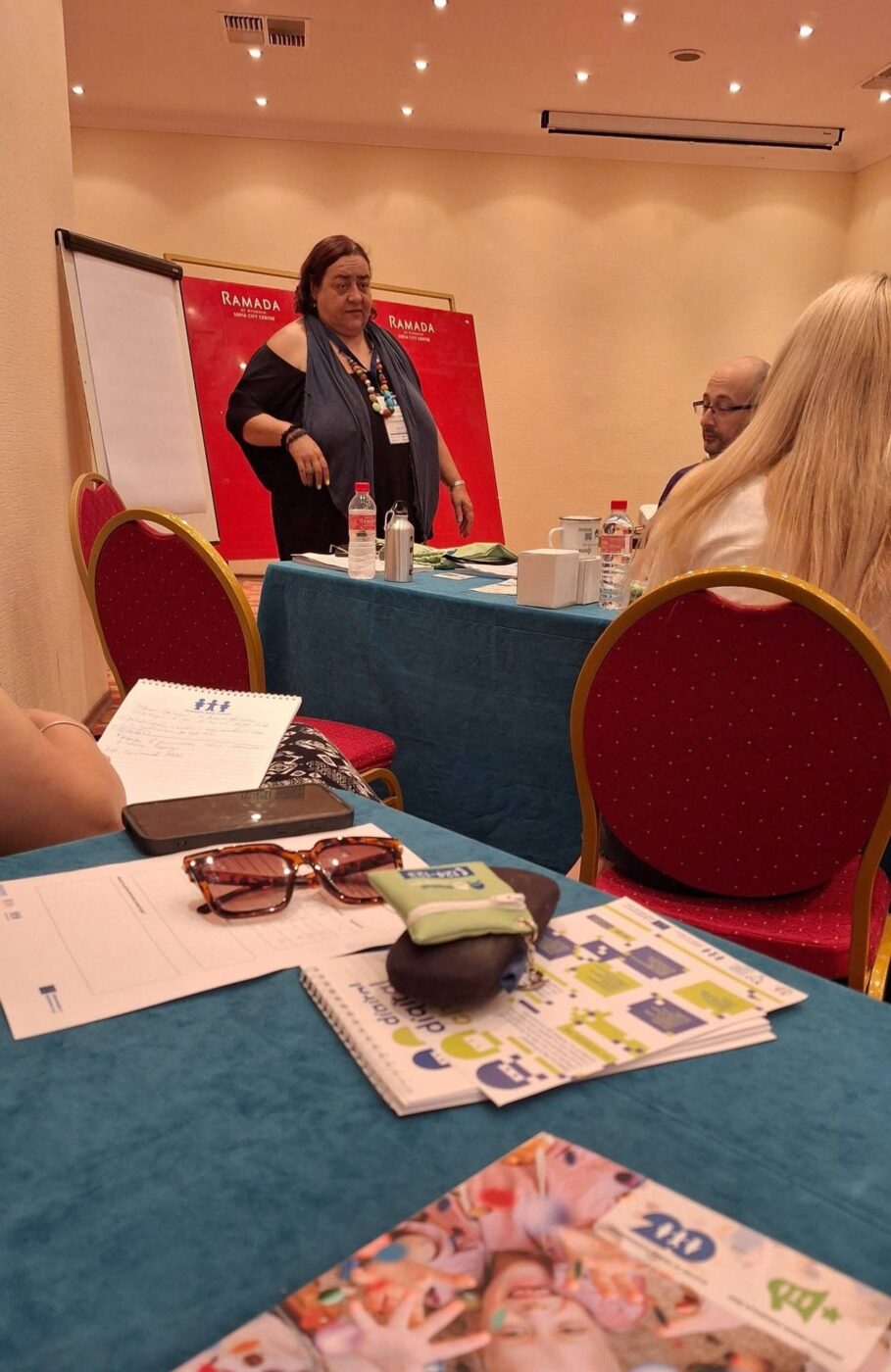
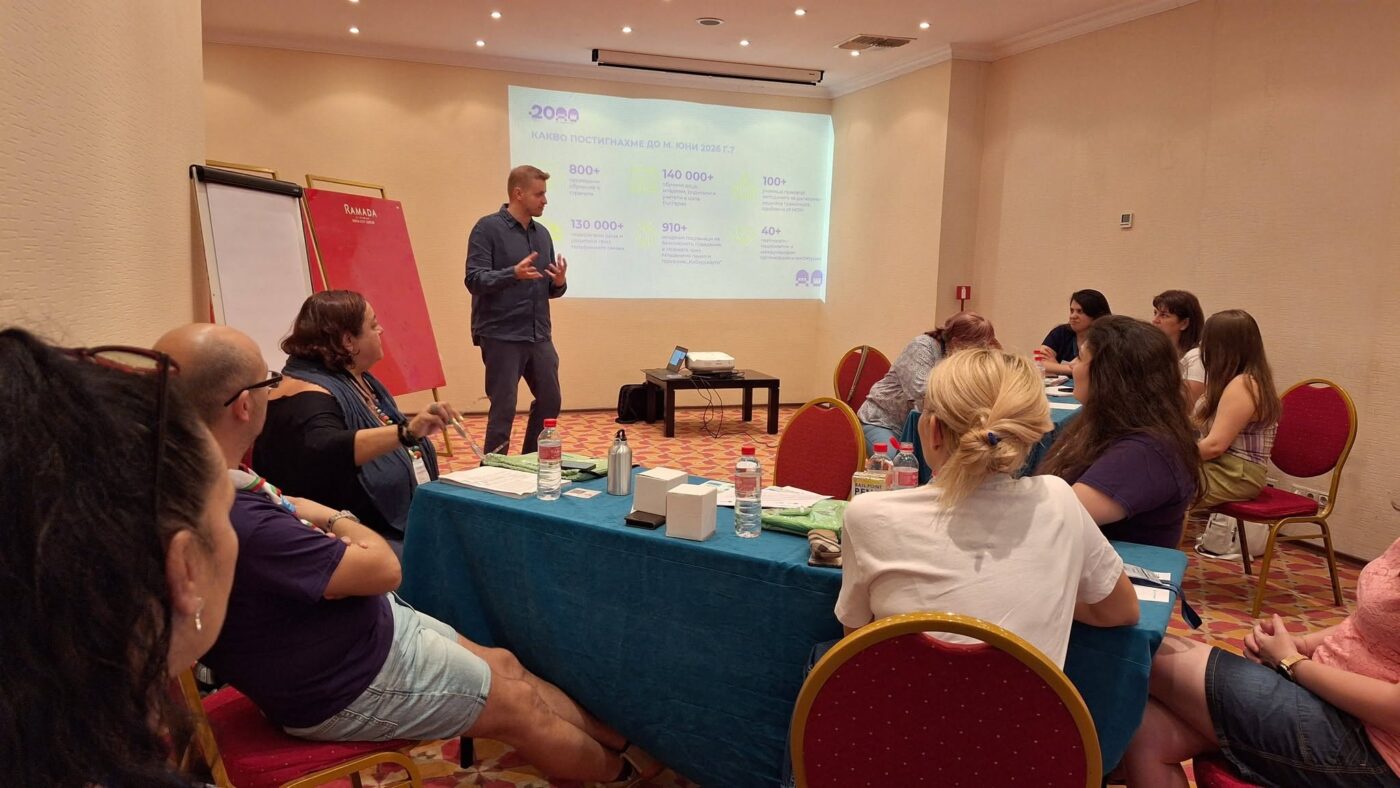
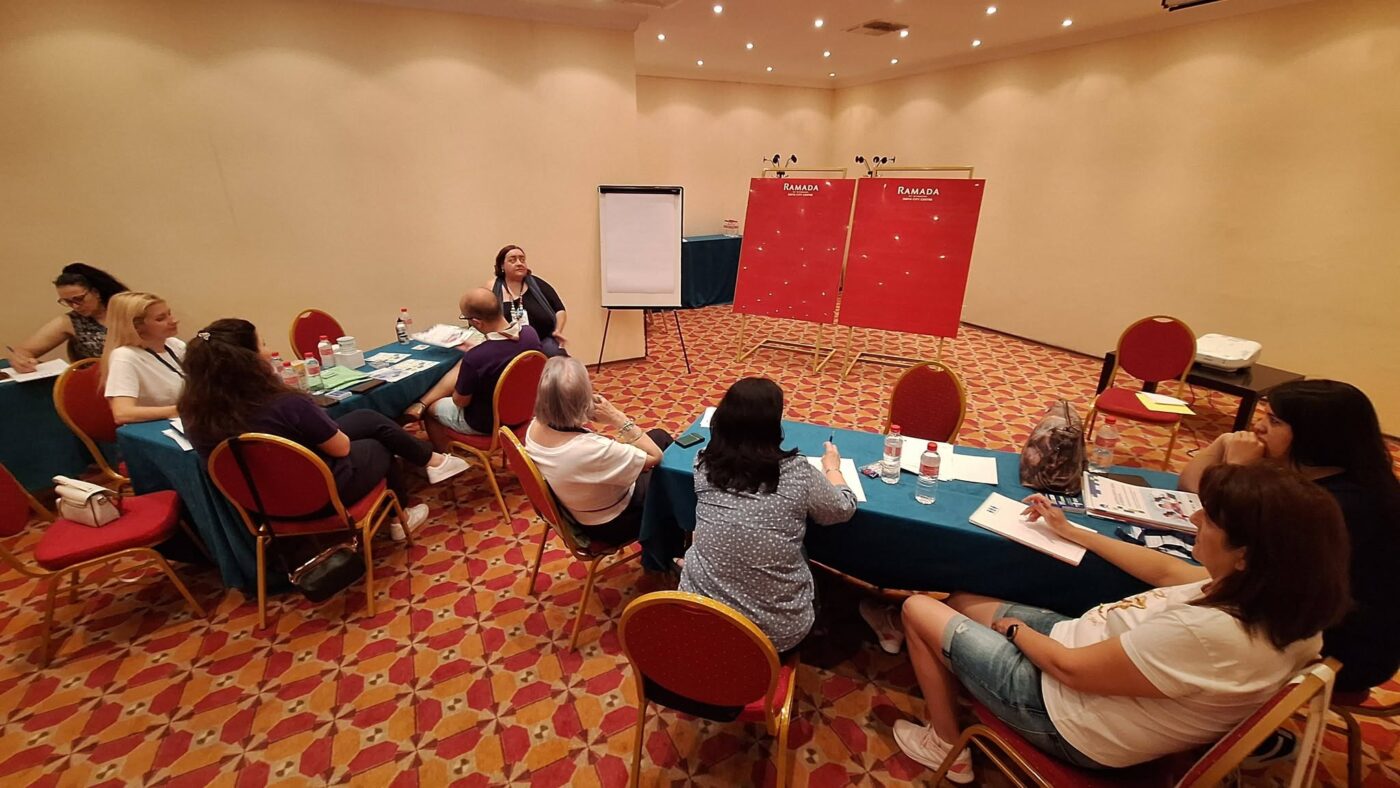
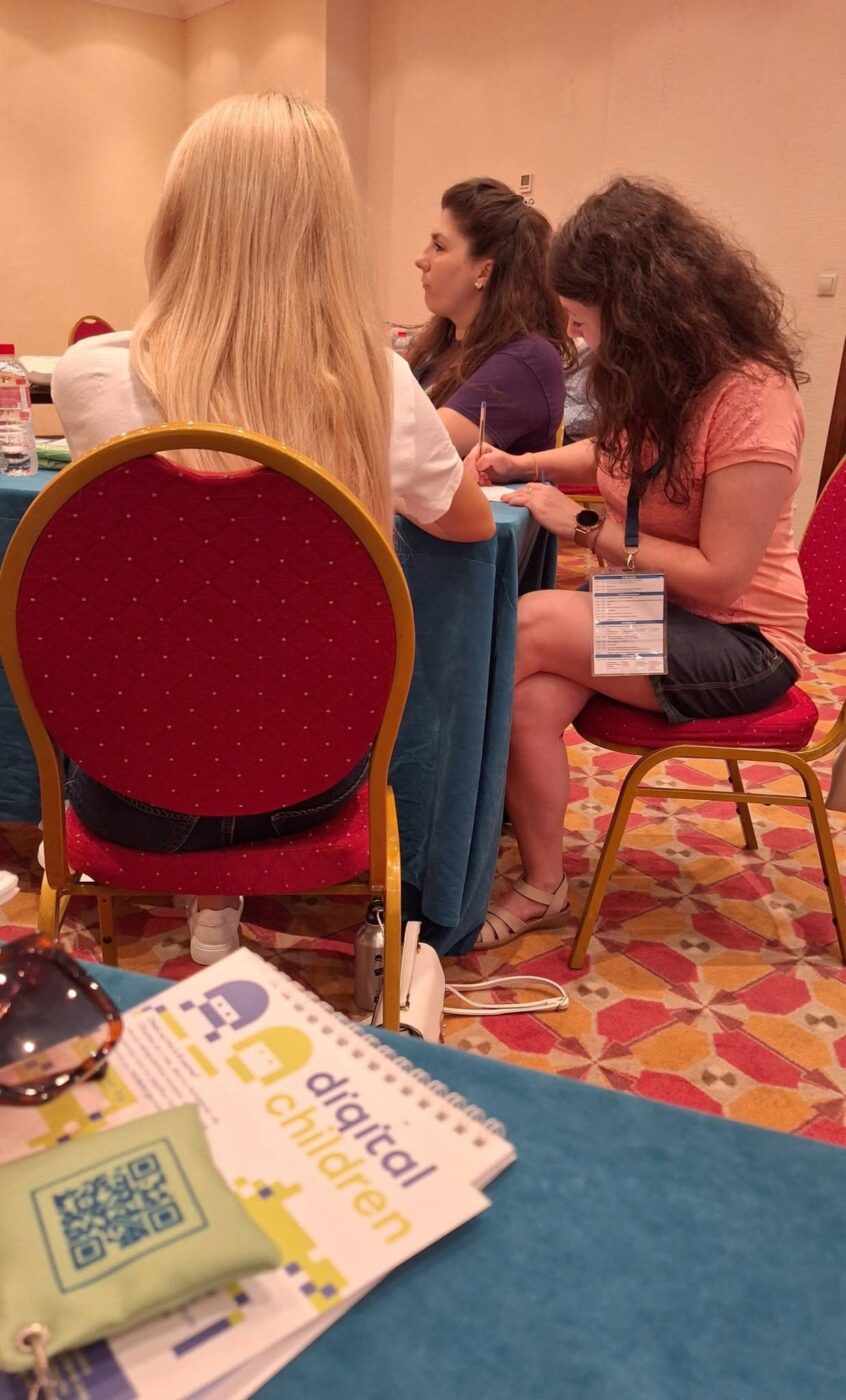
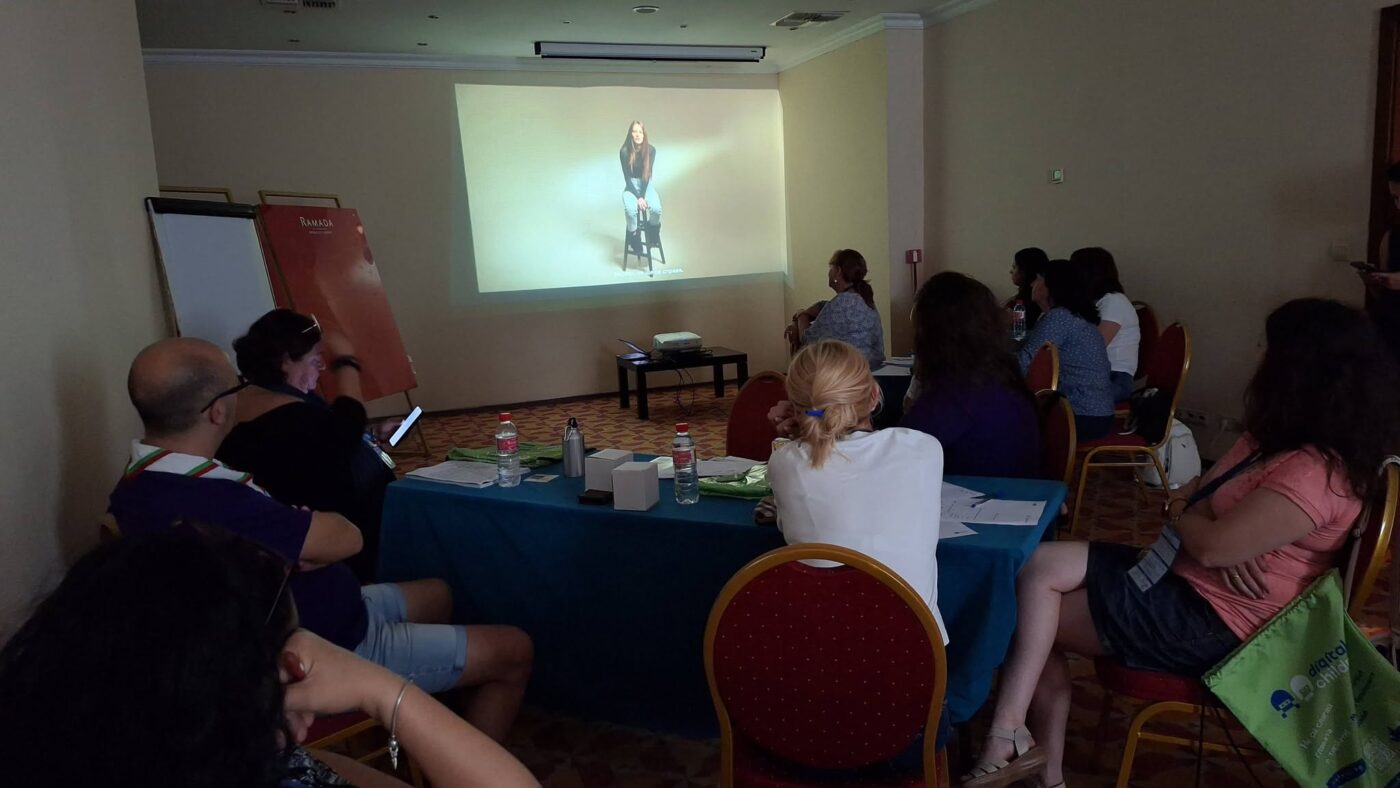
During a World Café brainstorming session, participants worked in small groups to explore the question: “How can SAFENET become even more effective in addressing online threats?” Among the most valuable ideas and recommendations were:
- expanding the initiative through local partners and subcontractors to ensure it reaches every region of the country;
- developing approaches for working not only with victims but also with perpetrators of online violence;
- strengthening cooperation between NGOs, the Ministry of Education and Science, and the Regional Departments of Education to reach all school psychologists and educational counsellors, including through systematic case management and the development of action plans;
- implementing broader awareness campaigns through both online and face-to-face activities, engaging children, parents, teachers, volunteers and social workers;
- collecting and analysing data on online risks to inform recommendations and future actions;
- providing more training opportunities for teachers, parents and professionals working with children;
- strengthening cooperation between the police and cybersecurity experts so that law enforcement is recognised as a trusted and approachable partner for children and families;
- advocating for the legislative changes needed to better protect children online;
- monitoring the effectiveness of local support systems and identifying areas for improvement;
- organising joint awareness initiatives involving SAFENET and law enforcement authorities in communities across the country;
- promoting educational videos and other awareness-raising materials more widely;
- developing new social media communication campaigns, including collaborations with influencers;
- using QR codes to direct users to the SAFENET platform;
- encouraging member organisations of the National Network for Children to actively disseminate SAFENET messages and visual materials at local level;
- reaching parents through the electronic communication systems already used by schools;
- building partnerships with educational platforms and specialised websites.
The ideas generated during the session will be carefully reviewed and will help shape the planning of future project activities. The discussion once again demonstrated that effectively addressing online risks requires a coordinated effort, strong partnerships between public institutions and civil society, and the active engagement of everyone committed to making the digital world a safer place for children.