
Youth Internet Safety Campaigns

Young people from several schools from Sofia, Dupnitsa, Radomir and Kyustendil, together with representatives of the youth panel in the National Center for Safe Internet worked actively for three days (November 3-5, 2024) within the framework of online security and internet safety training.
The campaigns that the young people decided to implement as a continuation of the training include school meetings, game elements, surveys, work in an online environment, covering different target and age groups.
The group we had the pleasure of working with is diverse and has huge potential. During the three days we covered and went in depth on the topics: risks on the Internet, including technical; online harassment; problems with strangers; fake news and disinformation; artificial intelligence – advantages and disadvantages; risks of online communication.
The young people reasoned and evaluated extremely adequately, were able to understand and identify potential dangers, constructed their presentations well, were empathetic, human, smart and well-intentioned and wanted to help many of their peers understand more about online safety, in which we all spend more and more time lately. Let’s wish them success!

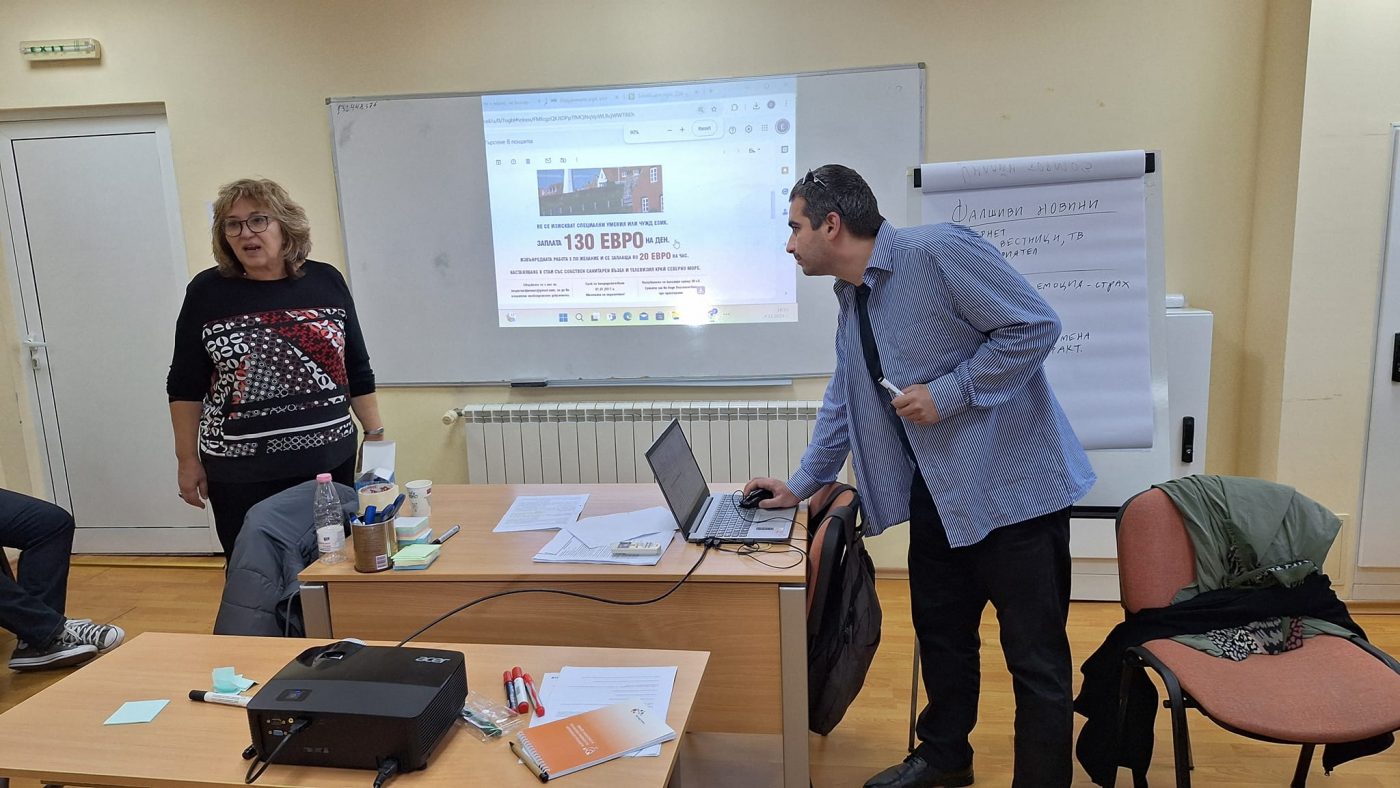
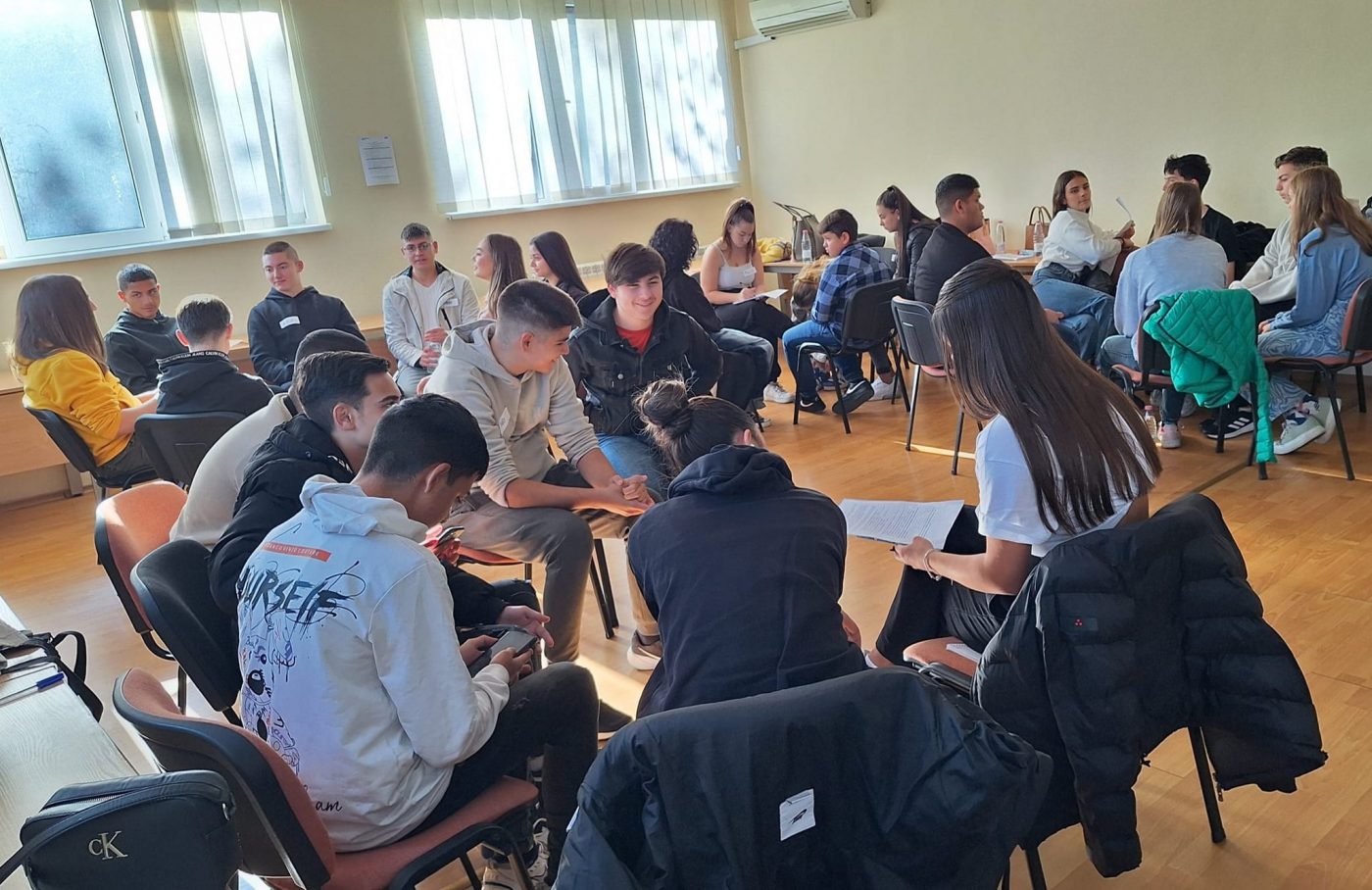
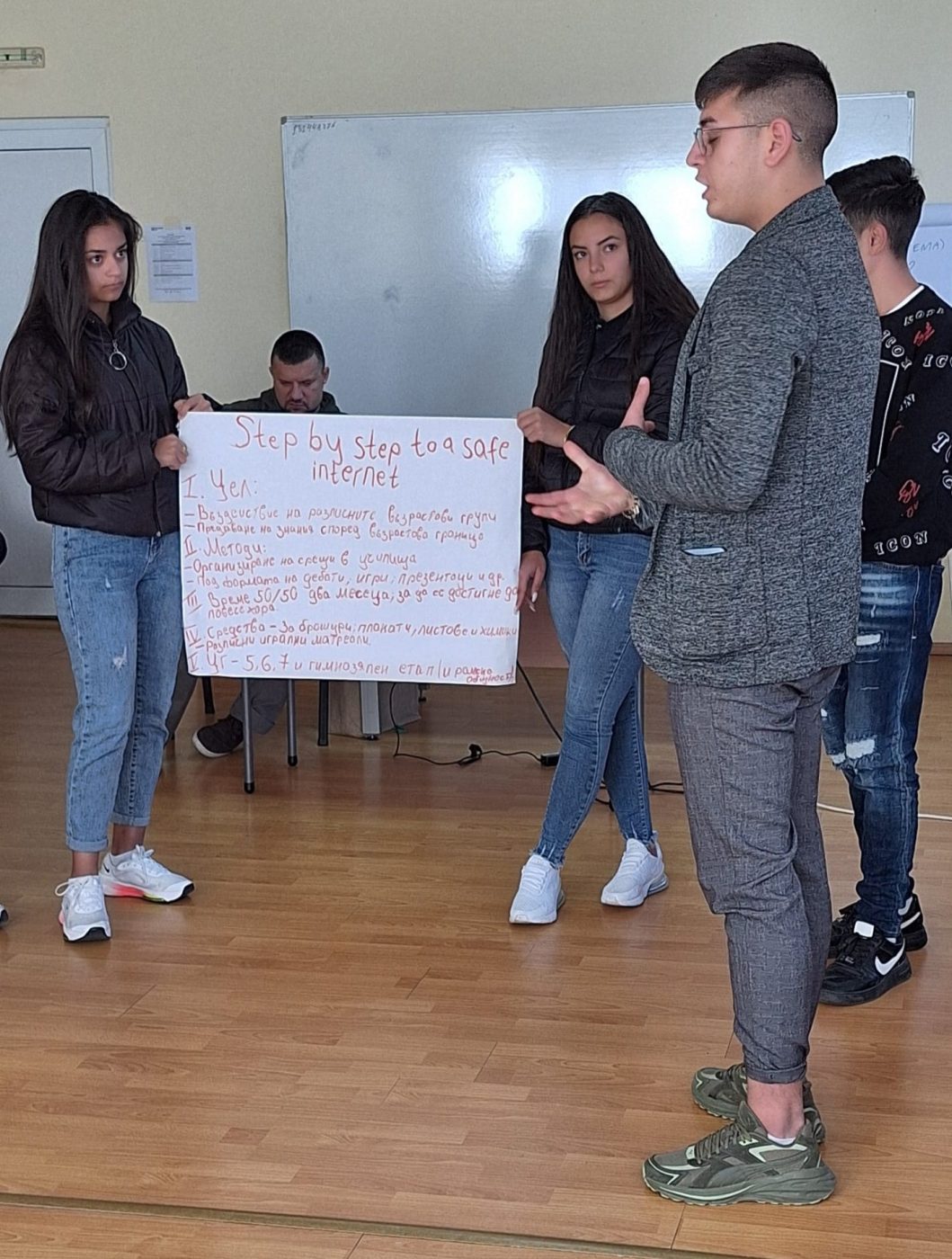
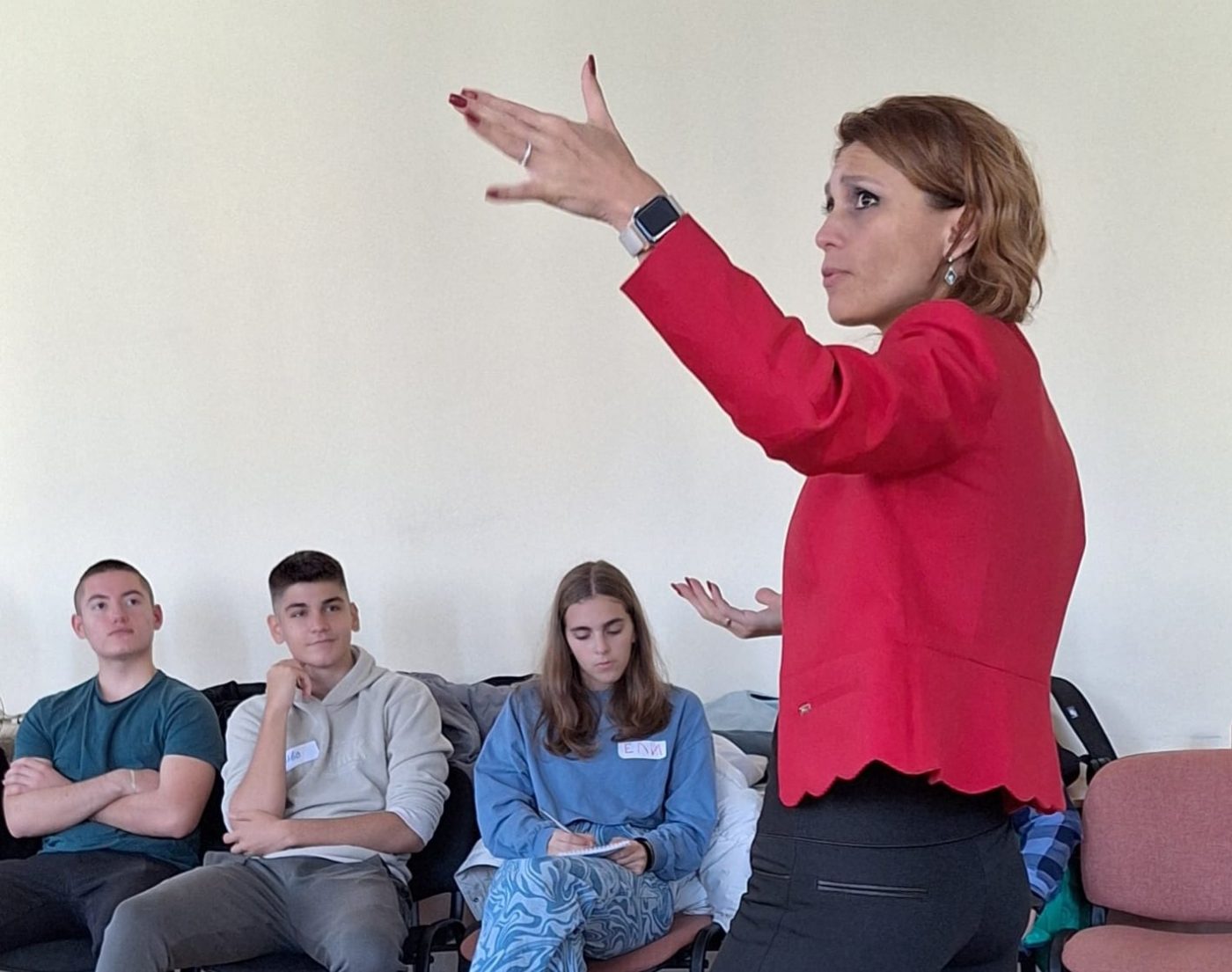
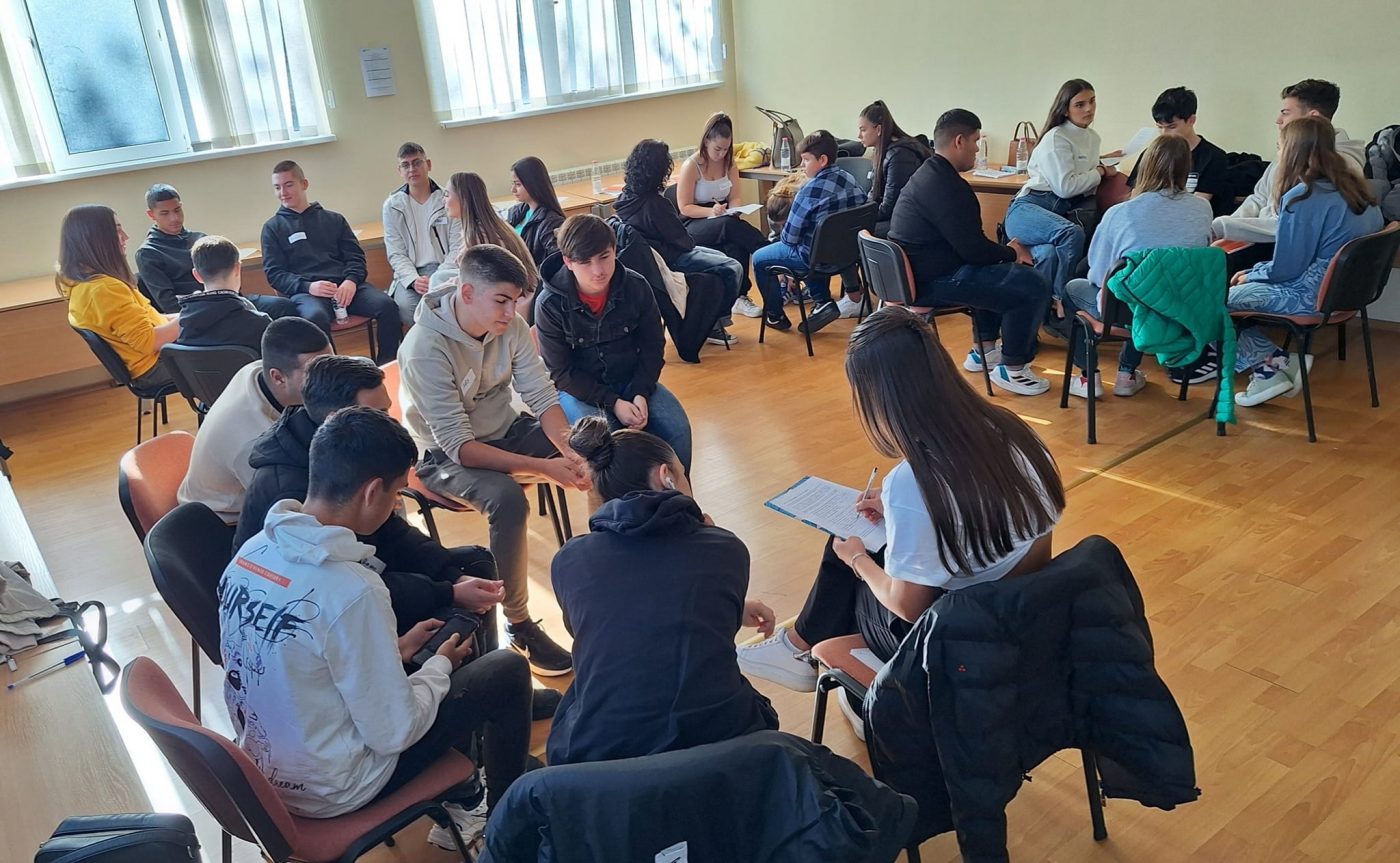
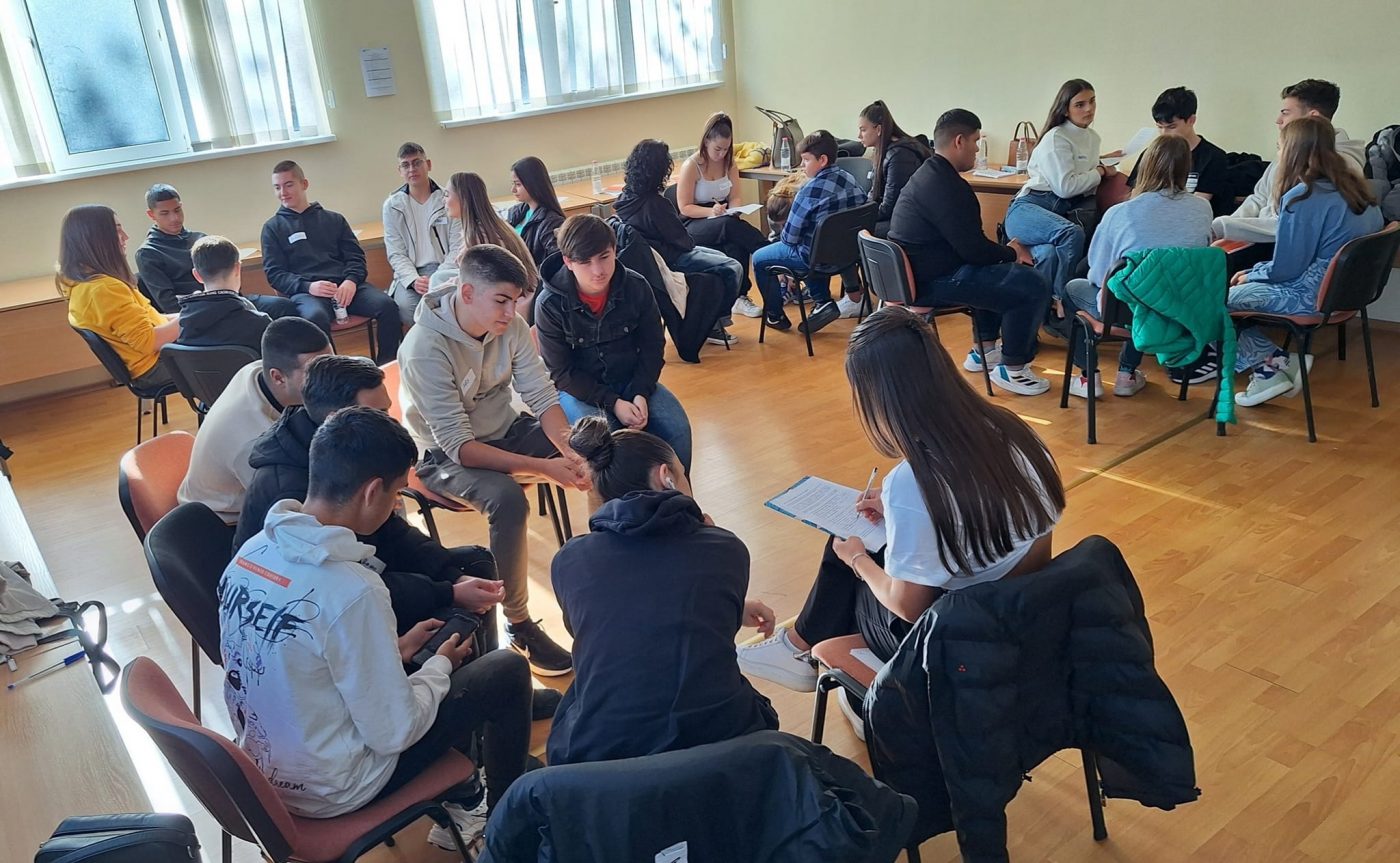
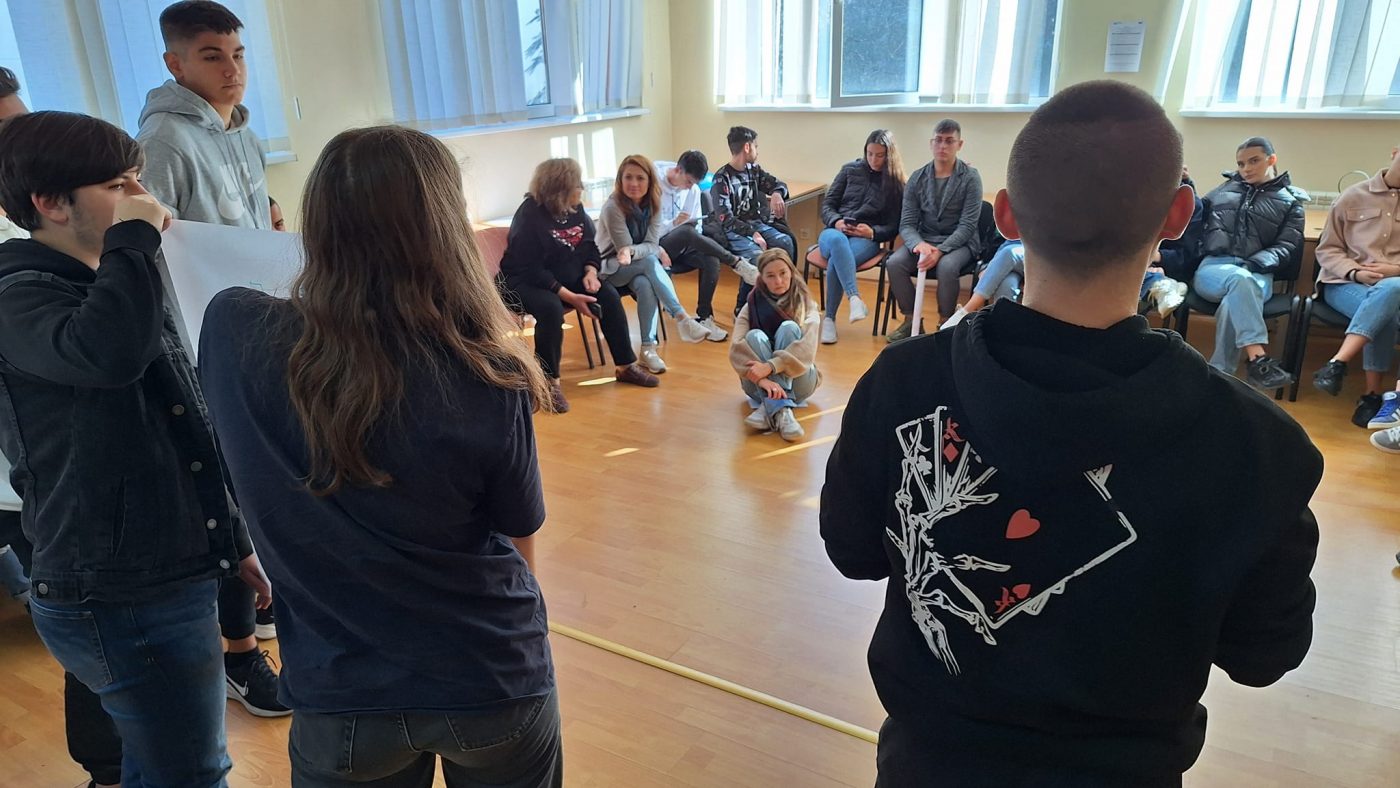
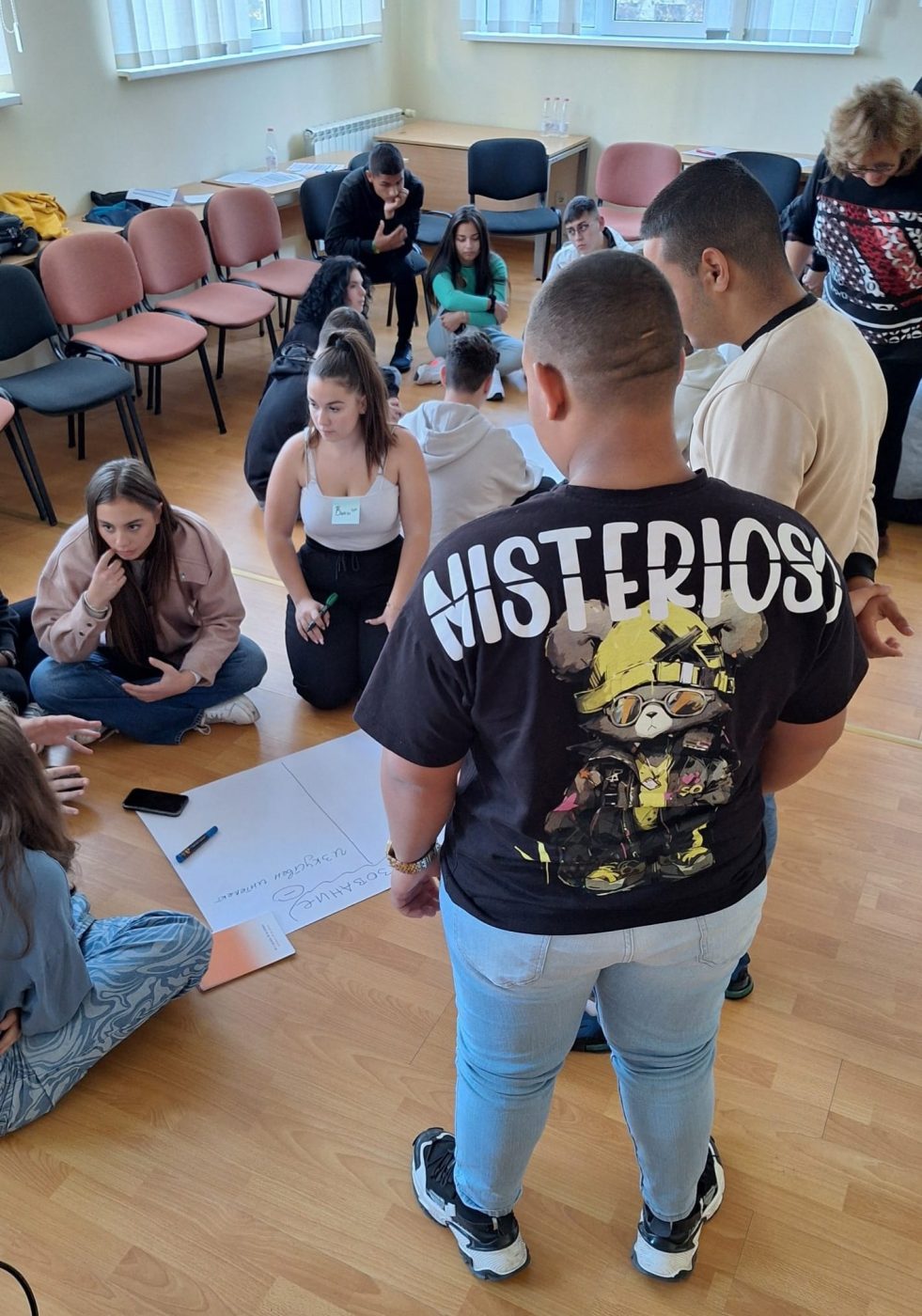
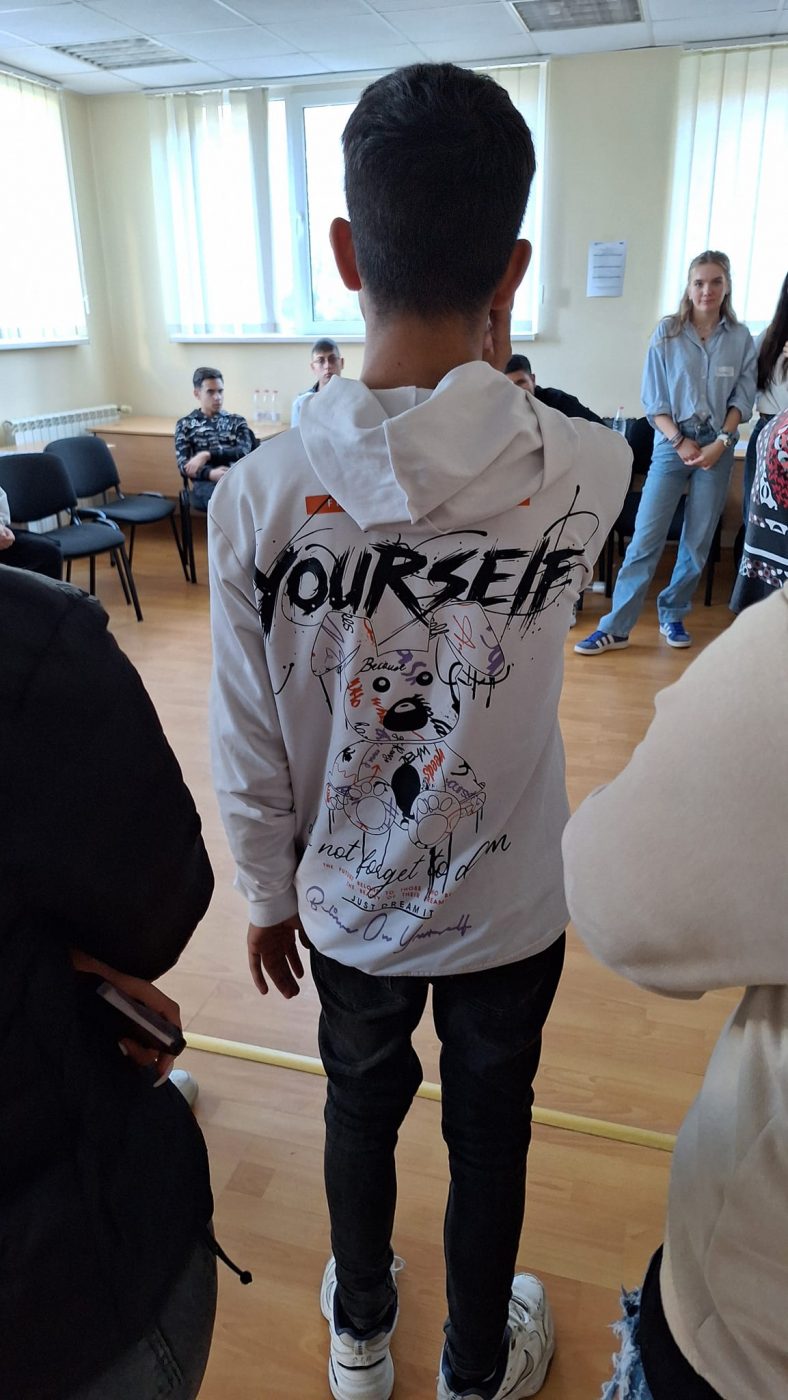
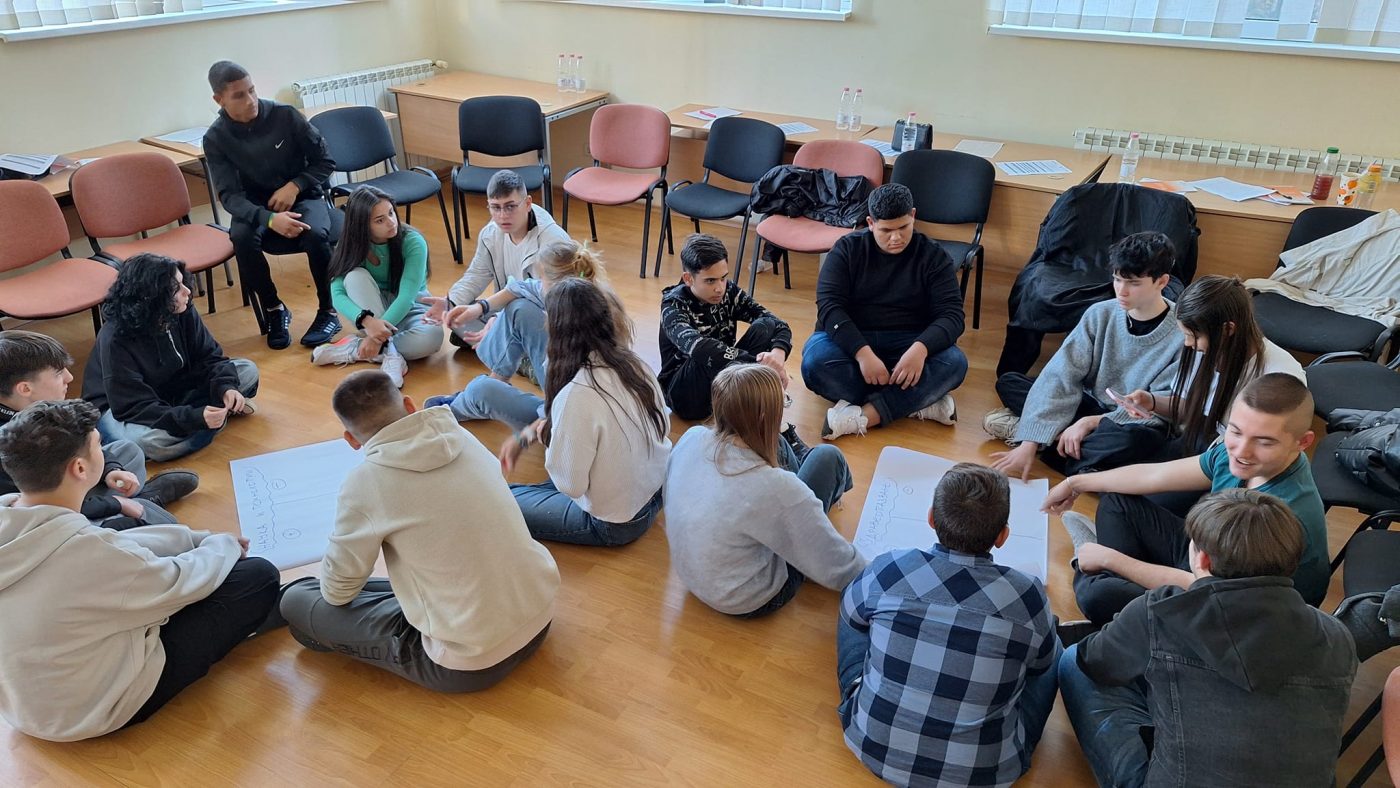
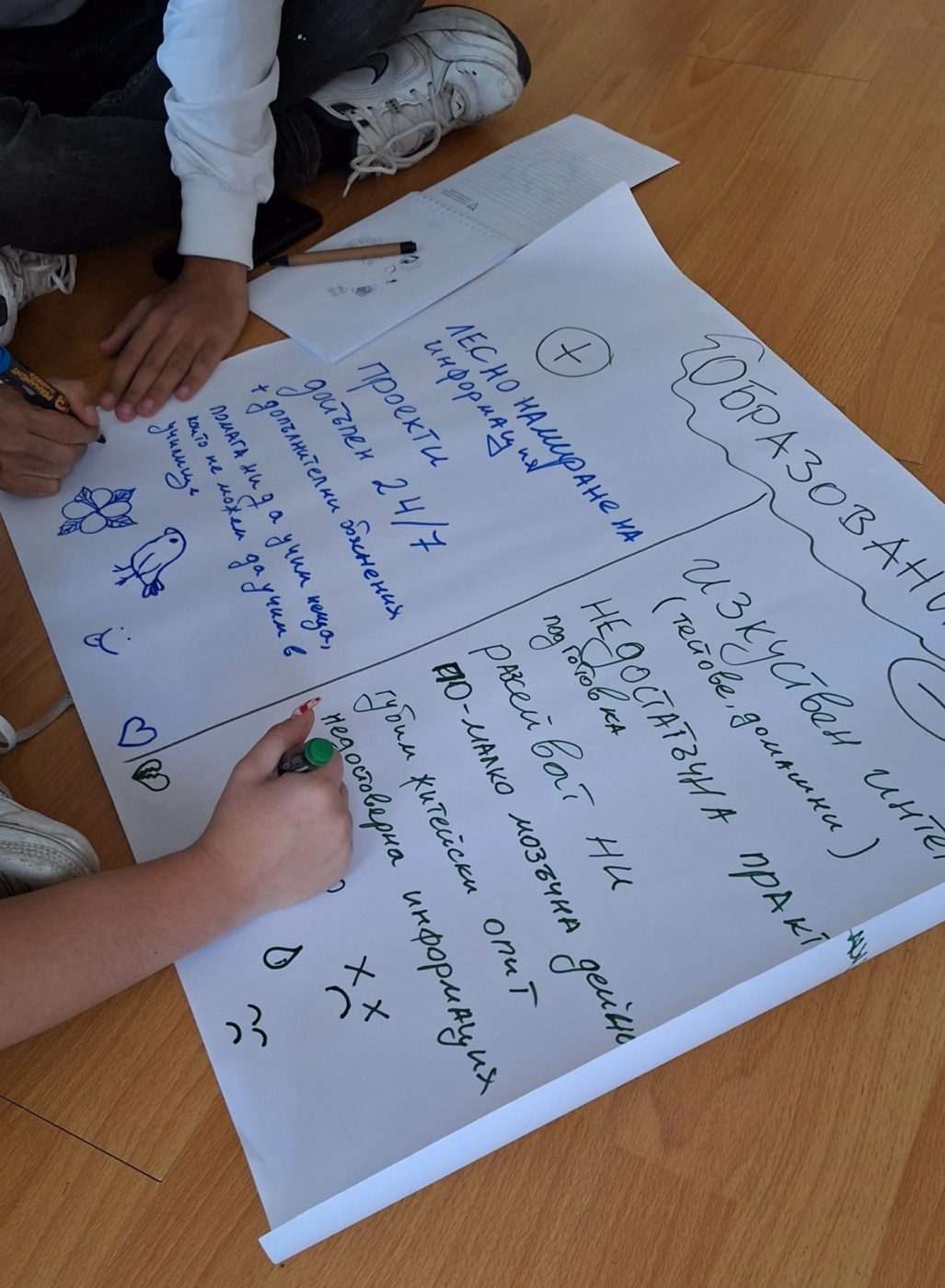
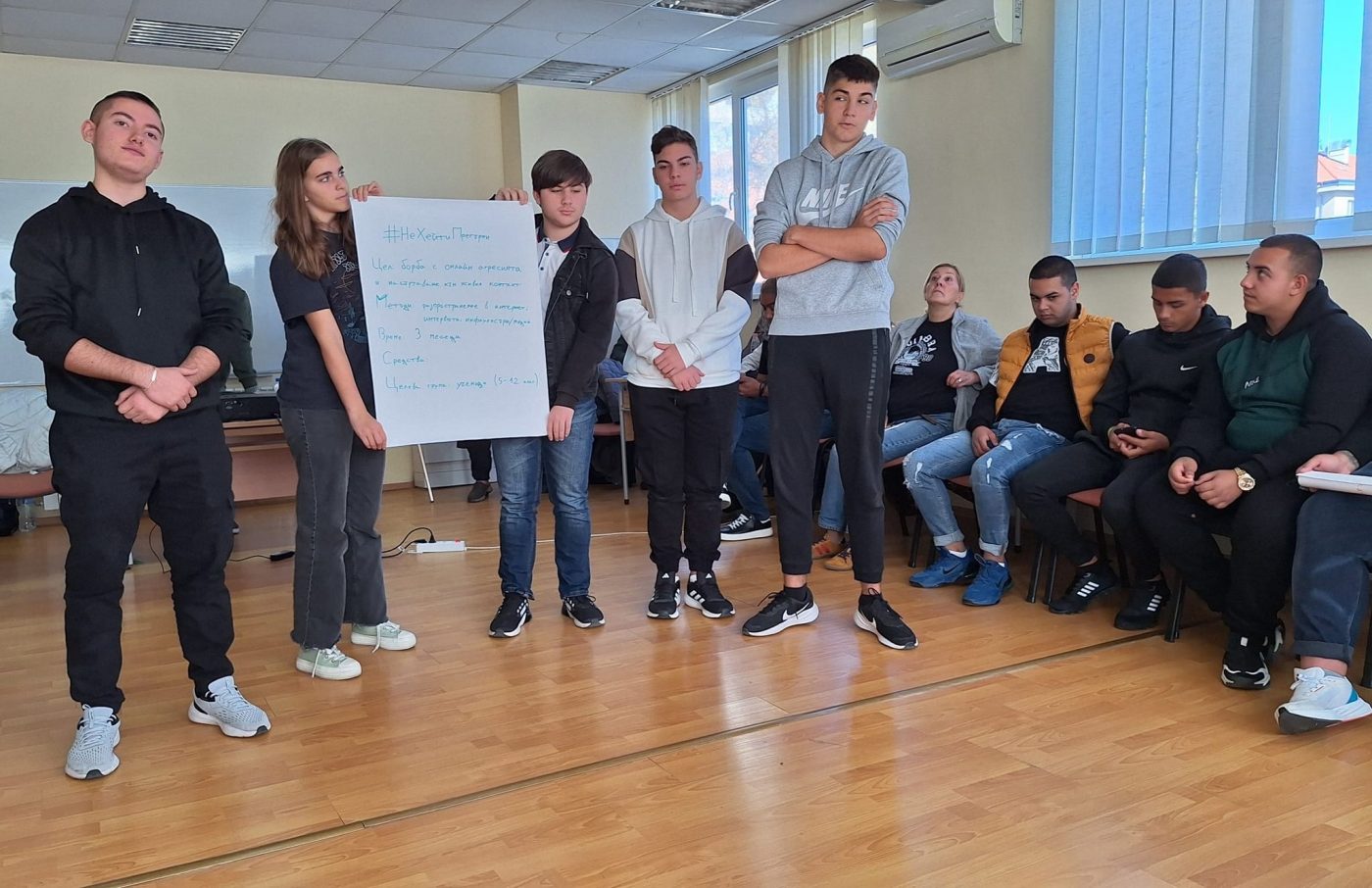
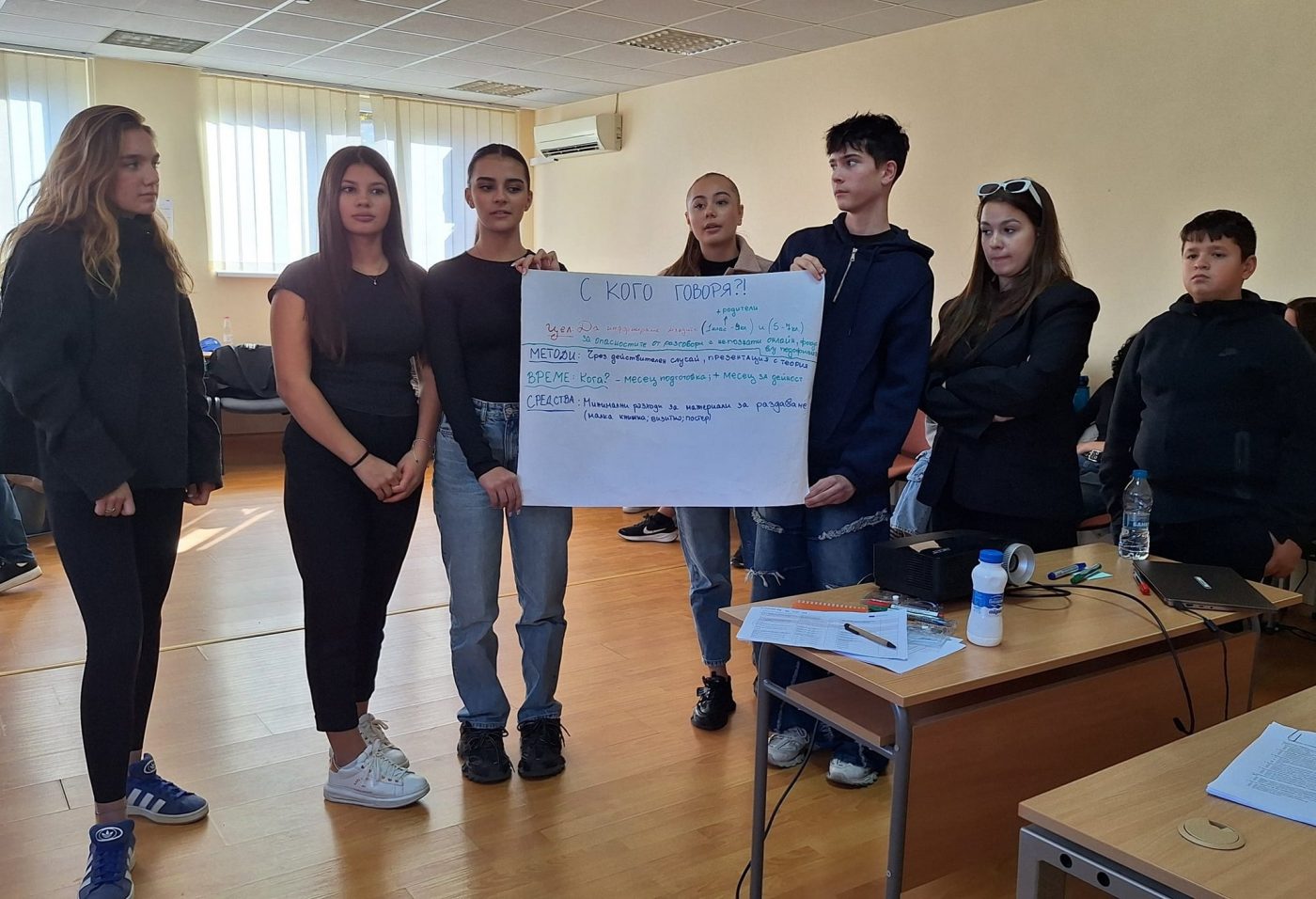
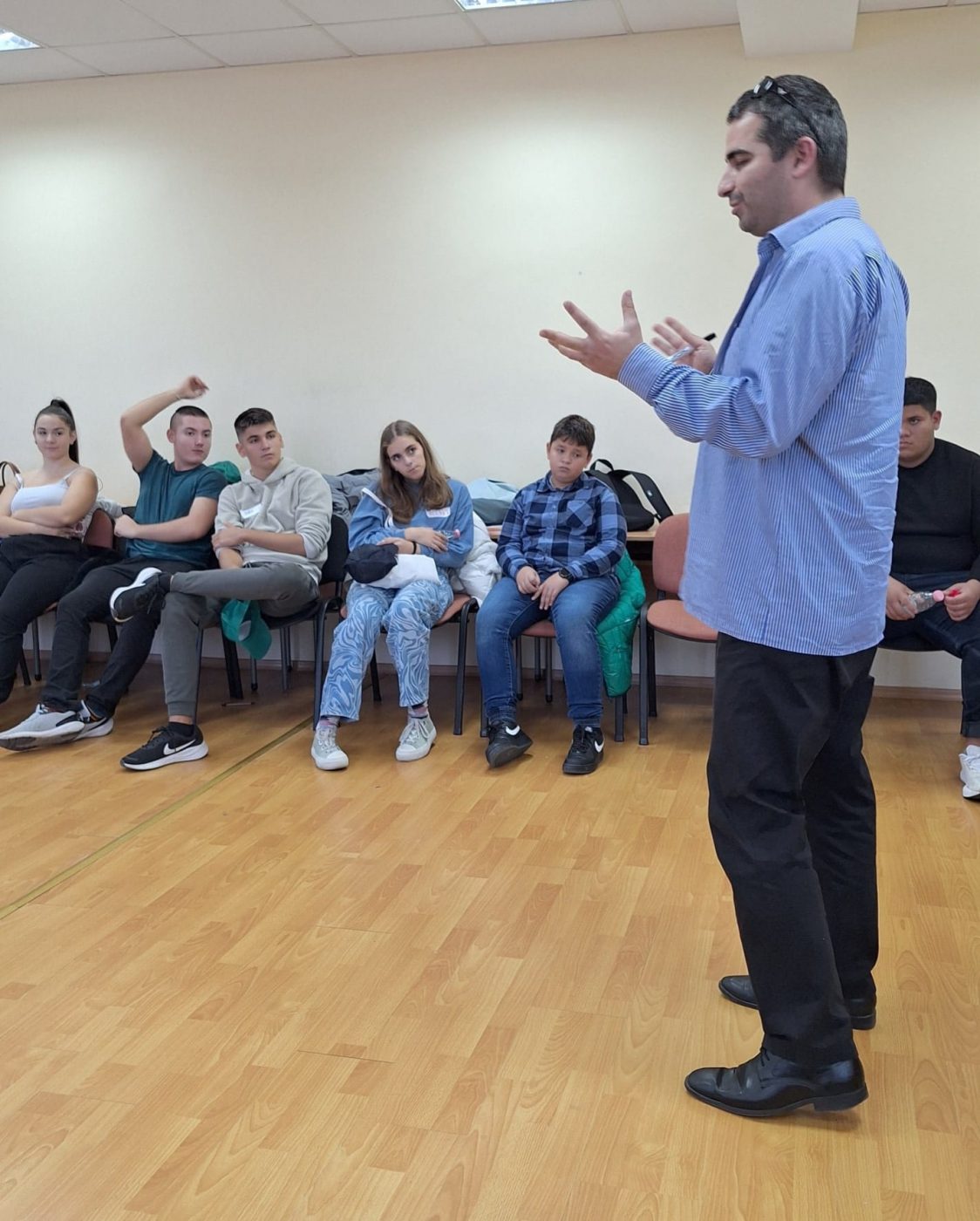
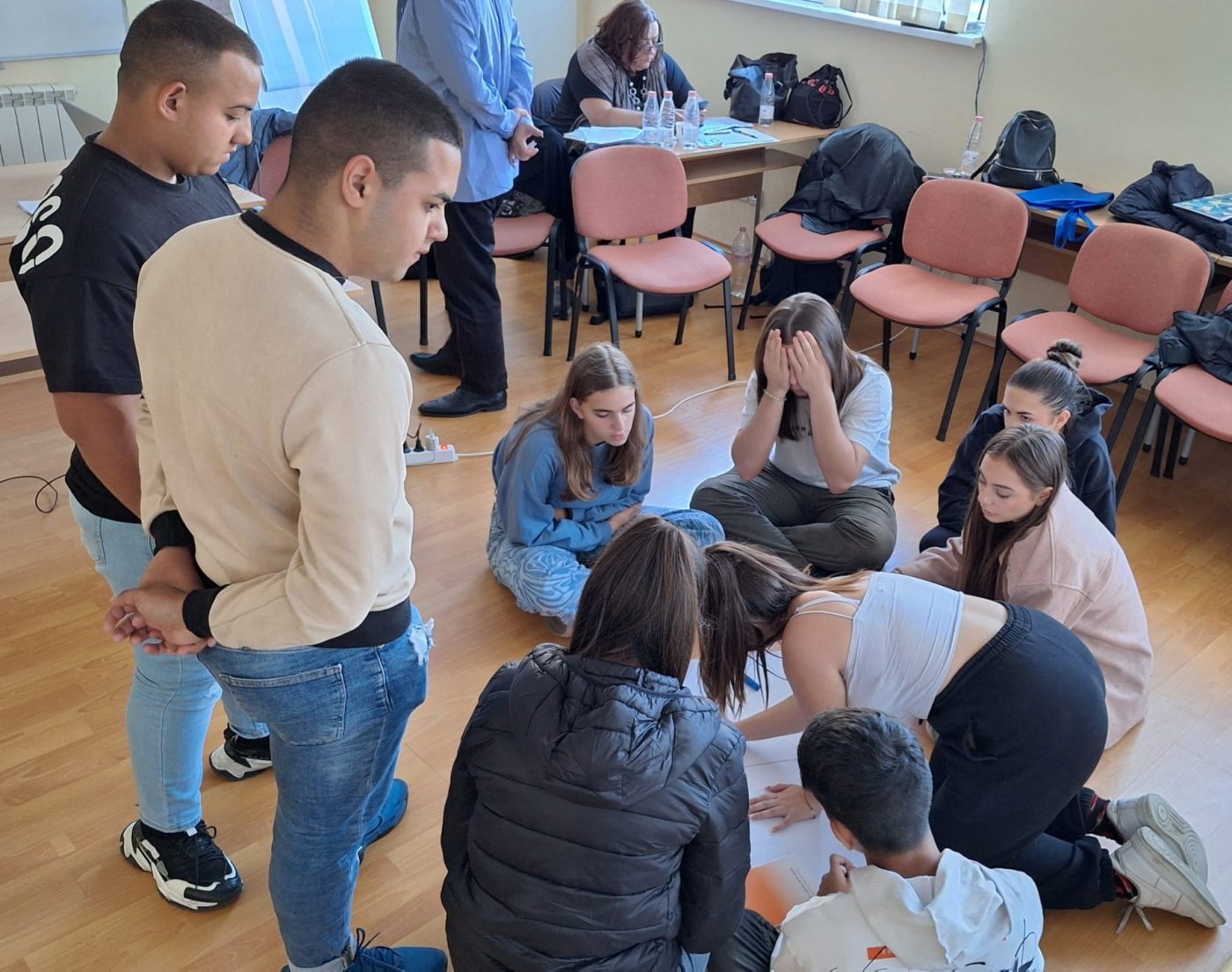
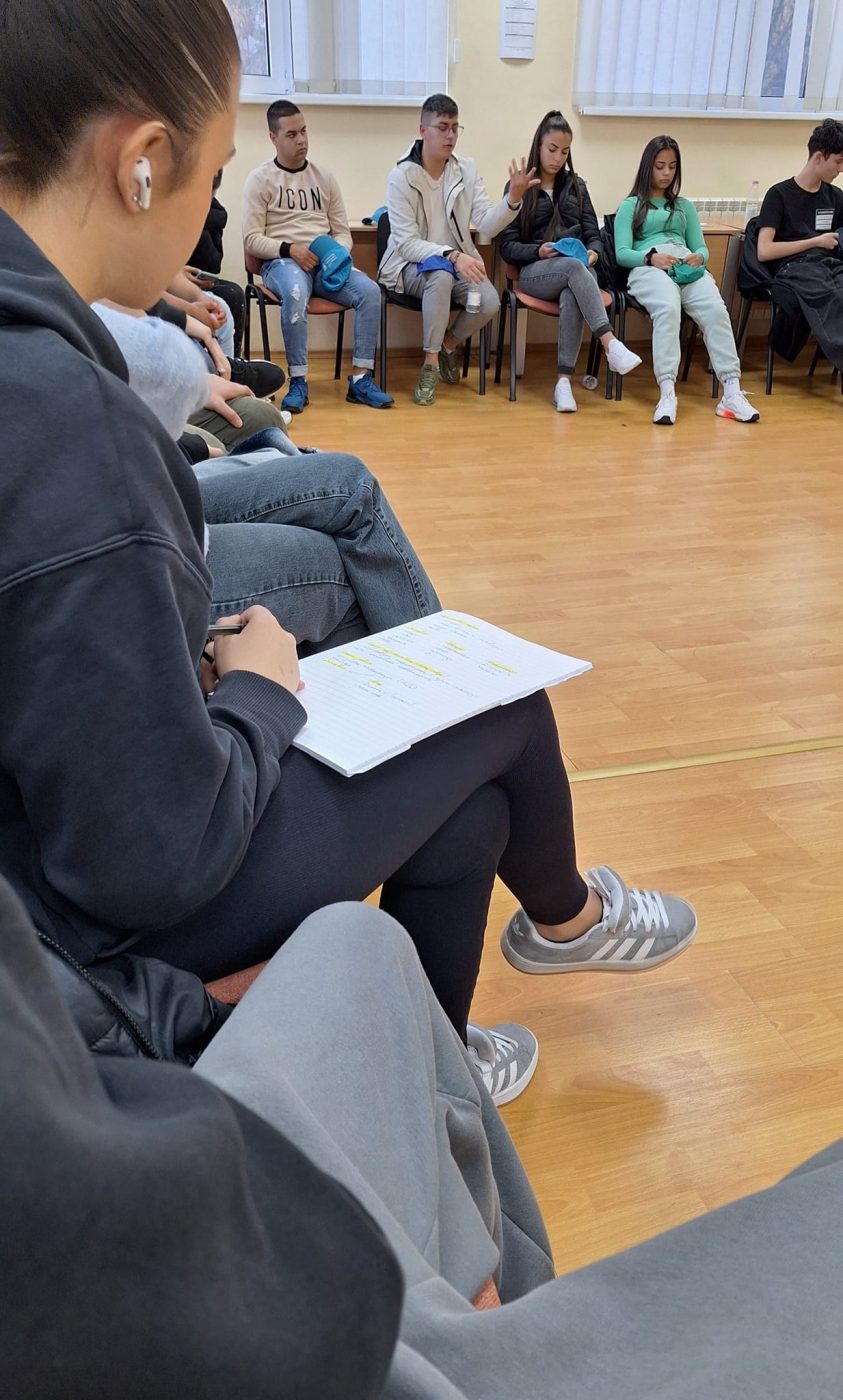
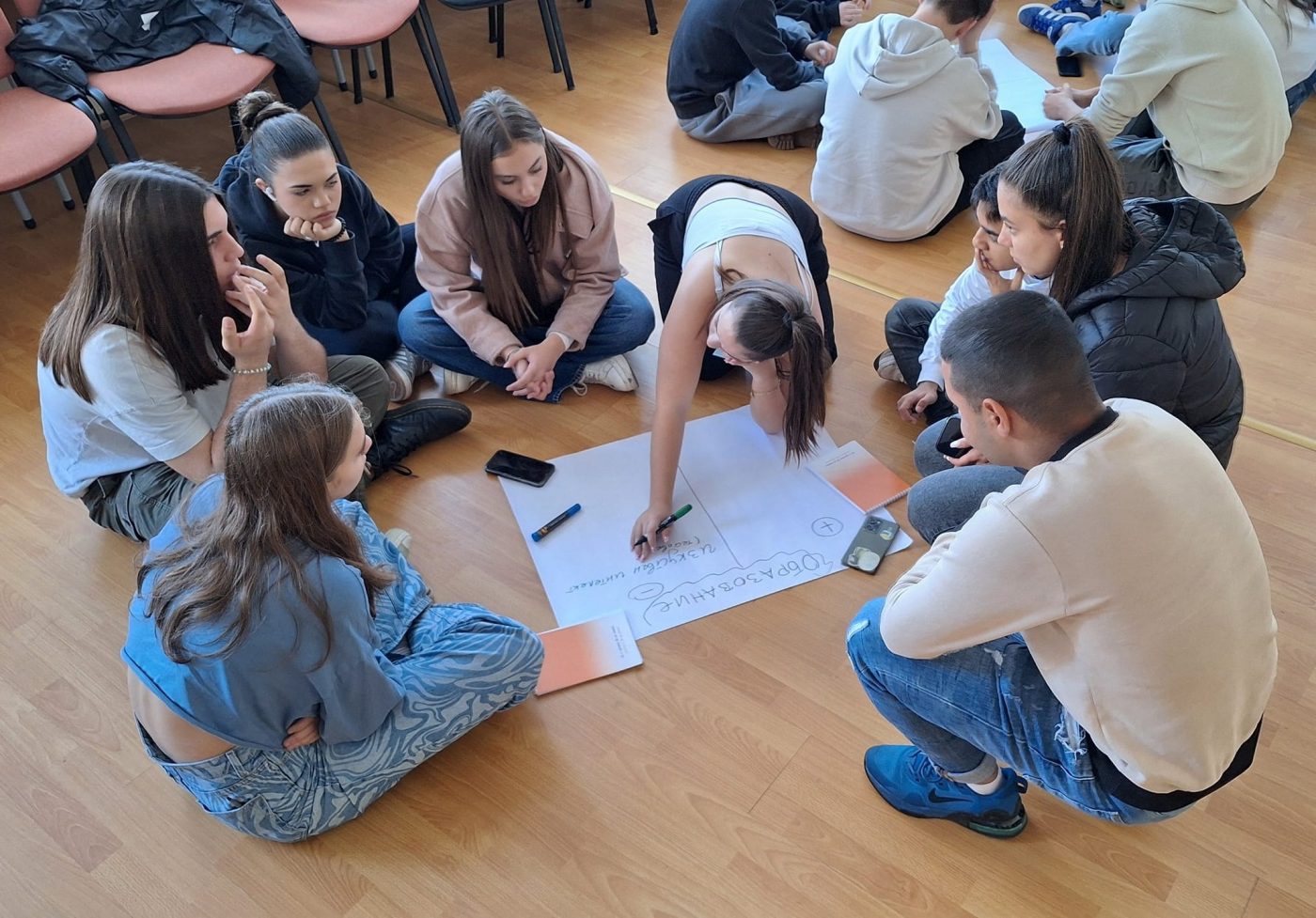
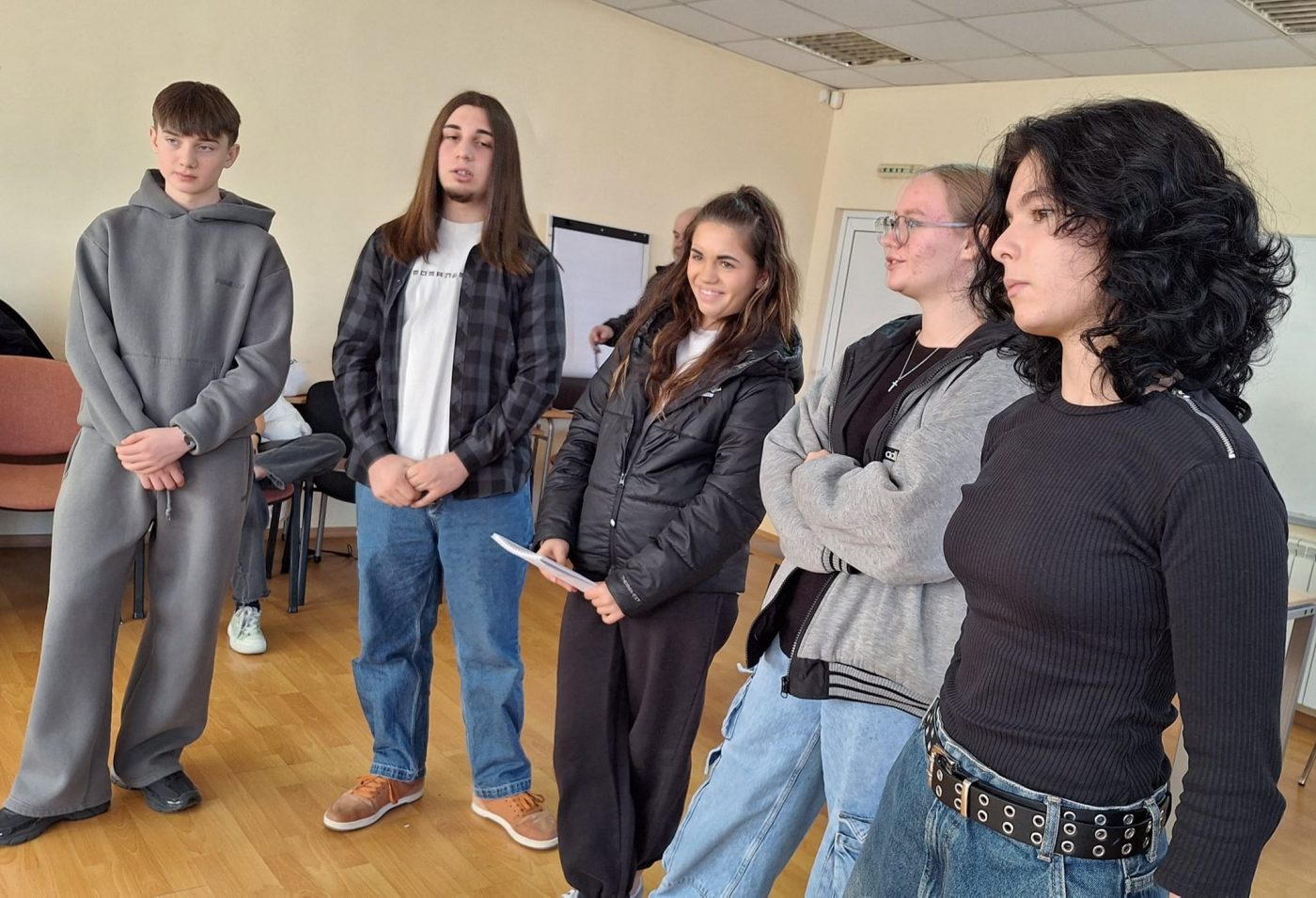
Special thanks to the trainers Antoaneta Vasileva from Parents Association, Emanuil Georgiev from NCBI, Pavlina Filipova from #BASP, who all the time managed to keep the attention and interest of young people, provoke them to think creatively and create an environment for the birth of new promising ideas.
The duration of the project ‘Digital Children’ (2024 – 2025) is 18 months and it ensures the work of the National Center for Safe Internet (NCSI). Funding by the European Union comes under the Digital Europe Program of the European Health and Digitization Executive Agency (HaDEA)’ to be able to support the work of the Illegal Content Hotline and the Child Online Safety Advisory Line 124 123 as well as the preventive and training activities of the Center.
Funded by the European Union, co-funded & in cooperation with the British Council. Views and opinions expressed are however those of the author(s) only and do not necessarily reflect those of the European Union, the European Health and Digital Executive Agency (HaDEA) or the British Council. Neither the European Union, HaDEA nor the British Council can be held responsible for them.